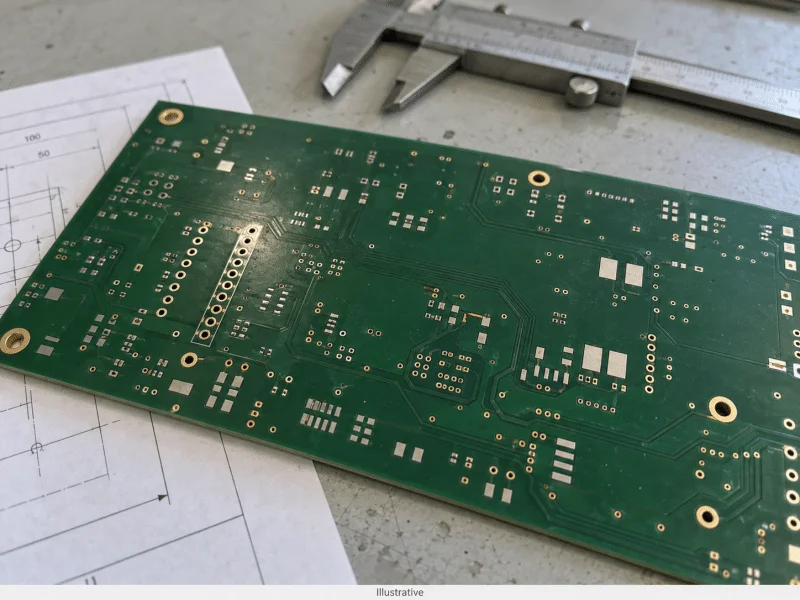
The cost of a 10-layer rigid PCB depends on its size, materials, copper weight, hole structure, and manufacturing requirements. Order quantity, testing, and delivery timing also affect the quote. Two boards with ten copper layers can require very different amounts of manufacturing work.
We recommend checking those details before comparing unit prices. This article covers bare-board fabrication costs, so component purchasing and assembly are outside its scope.
PCB cost for a ten-layer board is a construction question, not a layer-count lookup. The multilayer PCB design—dielectric system, copper weights, via structure, and acceptance tests—determines how much fabrication work the quote must cover.
Why Can Two 10-Layer PCB Quotes Be Different?
The Layer Count Is Only Part of the Specification
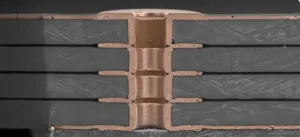
A ten-layer board has ten conductive copper layers, but that does not define its full construction. One design may use through-holes, while another needs blind vias, filled holes, or back drilling. Those requirements can change the production route and cost.
This comparison assumes that the design already needs ten layers. If that decision is still open, our article on when a PCB design needs a 10-layer rigid board addresses the earlier design question.
A Lower Unit Price May Cover a Different Scope
One supplier may include engineering preparation and testing in the unit price. Another may list certain charges separately or leave an unclear requirement out of the initial estimate. When comparing PCB fabrication quotes, check the manufacturing scope as well as the price.
For example, one quote might include impedance verification, while another assumes it is unnecessary. The lower price alone does not show which offer meets the drawing. Confirm what each supplier has included before choosing between them.
Which Manufacturing Requirements Affect the Cost?
Board Size and Panel Utilization
Larger boards generally use more material, but the finished board area is only part of the calculation. The factory must also fit the design onto a production panel. Board shape, spacing, and routing requirements affect how much of that panel becomes usable product.
A customer delivery panel and a factory production panel serve different purposes. We would confirm both before suggesting a size or panel change. A smaller outline does not guarantee a lower quote if it creates other manufacturing work.
Material and Stackup Requirements
Two ten-layer boards can use different laminate systems and dielectric thicknesses. A low-loss laminate and a standard FR-4 material can have different purchase costs and processing needs. The quote must reflect the material that meets the design requirements.
Finished board thickness and impedance targets also affect the proposed construction. A supplier needs to check them together rather than price each requirement in isolation. Our article on planning the PCB stackup covers those design decisions in more detail.
Copper Weight, Trace Width, and Spacing
Copper requirements need to be considered alongside the smallest traces and gaps. Thick copper combined with fine features can make etching more demanding. A quote based on lighter copper would therefore describe a different board.
State the copper requirement for each relevant layer, including whether the value means starting foil or finished copper. Keep that wording consistent between the drawing and quotation. Otherwise, apparently similar copper specifications can conceal a difference in scope.
Hole Structure and Additional Processing
Layer count alone does not tell you whether HDI processes or sequential lamination are needed. The actual interconnections determine the required process. Blind or buried vias can introduce steps that a through-hole construction does not need.
Via filling and capping, laser drilling, and back drilling can also add work when specified. Hole size, depth, and quantity matter alongside the hole type. We would ask the fabricator to identify the features driving its process choice before discussing alternatives.
Surface Finish, Tolerances, and Acceptance Requirements
Surface finish affects the materials and processing used on exposed copper. Compare quotes using the finish required by the application. A finish change should receive engineering approval rather than become an unrecorded purchasing substitution.
Tight outline or hole tolerances can also affect fabrication and inspection. Electrical testing, impedance measurements, and required reports must be clear in the order. Do not assume that every quote includes the same checks or documentation.
Bare-board electrical testing checks for faults such as opens and shorts in the circuit connections. It does not replace functional testing of the assembled product. Keep those two testing scopes separate when reviewing charges.
How Do Order Quantity and Delivery Requirements Affect the Quote?
Preparation Costs and Repeat Production
Engineering preparation, production tooling, and test setup can contribute to an order’s cost. On a small batch, those charges are spread across fewer delivered boards. Suppliers may show them separately or include them in the unit price.
A repeat order may reuse some approved data or tooling, but that does not guarantee a lower price. File changes can require fresh preparation, and material or quantity changes can alter the quote. Check whether the repeat order really matches the approved version.
Unit Price and Total Order Cost
A larger order can reduce the quoted cost per board while increasing the total amount spent. Compare the total for the quantity you actually need. Buying extra boards only makes sense if their expected use justifies the additional expense.
If a supplier proposes a different quantity, ask what changes in the production plan. Confirm the number of boards to be delivered and any permitted quantity variation. This keeps the comparison tied to usable boards rather than a headline unit price.
Standard Scheduling and Expedited Production
An expedited order may require a different production schedule and a higher quote. The requested delivery date also needs to match material availability and the necessary process steps. A short delivery promise is not useful if it assumes a different construction.
Ask whether the quoted timing covers fabrication only or also includes shipping. Keep that distinction consistent across offers. Compare any expedited option against the same specification and acceptance requirements.
What Should You Check When Comparing Quotes?
Confirm the Same Files and Manufacturing Requirements
We recommend comparing quotes against one agreed set of manufacturing files. Record the file revision and resolve conflicts between the fabrication drawing, stackup, and quotation. The following checks help make differences visible.
Item
What to confirm
File revision
The same manufacturing data and fabrication drawing
Quantity and delivery format
Delivered board count, single boards or panels, and panel requirements
Materials and construction
Material specification, stackup, finished thickness, and copper requirements
Holes and special processing
Via structure, filling, capping, back drilling, and other specified operations
Acceptance requirements
Tolerances, electrical testing, impedance verification, and required reports
Charges and delivery
Preparation charges, shipping, taxes, and delivery terms
Resolve Assumptions Before Comparing the Final Price
An early estimate may rely on assumptions when the manufacturing data is incomplete. A supplier might assume a material option, omit an unspecified test, or leave a special process for later review. Those assumptions should be visible in the quotation.
If two prices differ, ask each supplier to explain its quoted construction and exclusions. Resolve any proposed departures from the drawing before comparing the final totals. Otherwise, the price difference may simply reflect two different manufacturing specifications.
A fabrication quote typically groups engineering preparation, the lamination and drilling steps driven by the via structure, material and copper, surface finish, and any electrical or impedance tests you requested. Ask the supplier to show which of those items are included so two totals describe the same board, rather than two different scopes.
How Can You Discuss Cost Without Weakening the Design?
Ask Which Requirements Drive the Quote
Start by asking which features contribute most to the quoted manufacturing work. This focuses the discussion on the actual design rather than a general request for a discount. A panel arrangement or a requirement that needs clarification may offer a useful place to begin.
Request any proposed alternative as a separate option with its assumptions stated. The engineer can then check whether it meets the electrical and mechanical requirements. Keep the original compliant quote available for comparison.
Approve Any Specification Change Before Production
Material substitutions, tolerance changes, and revised via structures need engineering approval. Changes to testing or acceptance documents also need agreement. A lower quote should not silently remove a requirement that protects the finished product.
Once an option is approved, update the affected files and confirm the revised quote against them. This gives purchasing and manufacturing the same requirements to work from. Cost savings only help if the boards still meet the approved requirements.
Frequently Asked Questions
Can You Estimate the Price from Layer Count and Board Size Alone?
Those details can support an initial estimate, but they do not define a manufacturing quote. Material, copper, holes, quantity, and acceptance requirements still need to be checked.
Does Every 10-Layer PCB Require HDI Manufacturing?
No, ten layers do not automatically make a board an HDI design. The required interconnections and feature sizes determine whether HDI processes are needed.
Why Can a Small Order Have a Higher Unit Price?
Preparation and setup work may be spread across fewer boards. The effect depends on the design and the supplier’s pricing method, so check both the separate charges and the total.
Will a Repeat Order Always Cost Less?
No, a repeat order is not a guarantee of a lower price. Reusable preparation work may help, but quantity, materials, file changes, and scheduling still affect the quotation.
Why Might the Price Change After Manufacturing File Review?
File review may reveal requirements missing from the initial estimate. Ask the supplier to identify the specific difference and show how the revised quote addresses it.
Ready to compare a real 10-layer quote? Review our PCB fabrication capability. If the product also needs a flex region rather than a thicker rigid stack, see flex and rigid-flex PCB assembly. Upload Gerbers, the proposed stackup, and quantity via Contact Us — we confirm construction assumptions before quoting.
Engineering Support for Your PCB Project
Need help with your PCB or assembly project? Contact our team to discuss your design, manufacturing and testing requirements.
Inconsistent solder paste deposits on fine-pitch HDI pads can result from poor paste release from the stencil, uneven board support, problems with paste storage or handling, or incorrect printer settings. The HDI
PCB board technology is how modern electronics get both mechanical support and copper interconnects on a single laminate—pads, traces, vias, layers, and materials that determine density, speed, heat, and cost. By the
A PCB design needs any-layer HDI when conventional HDI cannot provide the required layer connections within the available board space and thickness. This can happen with dense BGA packages, limited routing channels,
To provide the best experiences, we use technologies like cookies to store and/or access device information. Consenting to these technologies will allow us to process data such as browsing behavior or unique IDs on this site. Not consenting or withdrawing consent, may adversely affect certain features and functions.
Functional
Always active
The technical storage or access is strictly necessary for the legitimate purpose of enabling the use of a specific service explicitly requested by the subscriber or user, or for the sole purpose of carrying out the transmission of a communication over an electronic communications network.
Preferences
The technical storage or access is necessary for the legitimate purpose of storing preferences that are not requested by the subscriber or user.
Statistics
The technical storage or access that is used exclusively for statistical purposes.The technical storage or access that is used exclusively for anonymous statistical purposes. Without a subpoena, voluntary compliance on the part of your Internet Service Provider, or additional records from a third party, information stored or retrieved for this purpose alone cannot usually be used to identify you.
Marketing
The technical storage or access is required to create user profiles to send advertising, or to track the user on a website or across several websites for similar marketing purposes.
 Skip to content