 Skip to content


Immersion Silver for Fine-Pitch and RF Boards
Topline Circuit supplies immersion silver (ImAg) finishes for prototype and production PCBs. A thin silver layer is deposited directly on exposed copper, providing a flat, solderable surface for fine-pitch assembly and RF designs that specify a nickel-free finish.
Send your fabrication drawing and assembly schedule so we can review the finish, packaging and acceptance requirements for your quote.

Specify the Silver Finish on Your Drawing
| Requirement | What to specify |
|---|---|
| Finish and acceptance | Specify immersion silver (ImAg), the adopted specification and revision, and any customer-specific acceptance criteria. |
| Silver thickness | State the limits and units, measurement locations, sampling and reporting requirements. Confirm the method is suitable for the pad size and silver-on-copper coating. |
| Assembly readiness | Define the planned storage conditions, soldering sequence and any solderability verification needed before release. |
| Exposed pads in service | Identify contacts or other unsoldered features and specify any exposure to humidity, condensation or sulfur-bearing contaminants. |
Check Pad Geometry and RF Requirements
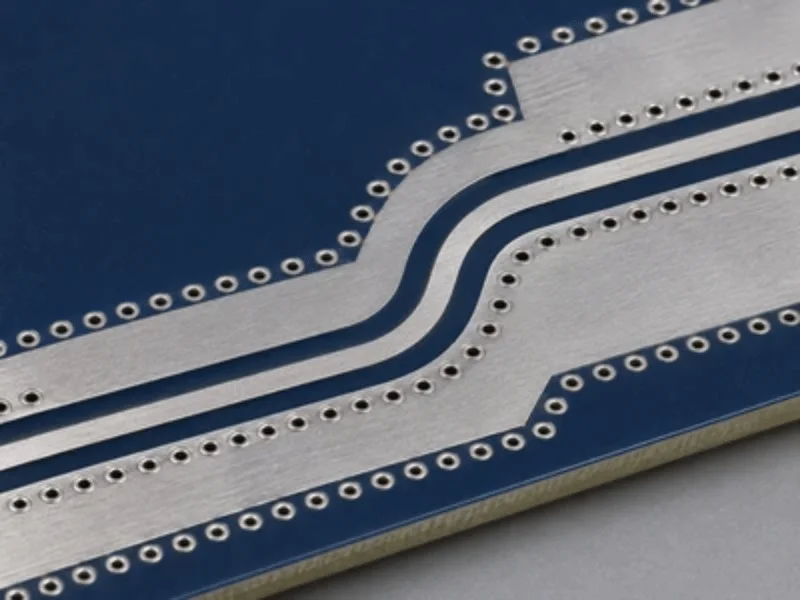
For BGA and QFN assembly, mark critical lands, solder-mask openings and any via-in-pad requirements. Include the intended soldering sequence and any checks required after a second reflow or later soldering operation.
For RF and microwave PCBs, identify the operating bands, stack-up, critical traces and any insertion-loss requirement. Specify which copper features remain exposed and where the RF performance must be measured.
Protect the Finish Before Assembly
Keep boards in approved protective packaging until needed and handle them by the edges. If the pack is opened early, record the opening date, lot number and storage conditions, then confirm repacking and release requirements for the lot.
If pads discolor or a package arrives damaged, set the affected boards aside. Use the agreed appearance criteria and, where required, solderability testing to make the release decision.
Files for an Immersion Silver Quote
- Gerber or ODB++ data, drill files and fabrication drawing for the same revision
- Board quantity, stack-up and ImAg specification, including thickness limits if specified
- Critical pad locations, acceptance criteria and required reports
- Assembly schedule, soldering sequence and packaging requirements
Immersion Silver PCB FAQs
Hold the affected lot and send photos, lot markings and packaging and storage history. Compare the condition with your visual acceptance criteria and agree on any solderability checks before releasing the lot.
Record when the pack was opened, the storage conditions and the next assembly date. Confirm repacking instructions with the supplier and ask whether solderability verification is needed for the remaining boards.
Check whether the issue is limited to a lot, pad design or assembly step. Send the thickness report, pad photos, storage history, solder paste or flux details and reflow profile. Agree on how to check received-board solderability and the assembly process separately.
Compare both finishes against the RF performance requirements, assembly sequence and storage plan. Identify any wire-bond or contact pads, and validate the revised build against the same RF test conditions before approving the drawing change.
Identify the exposed features and describe the expected contaminants, humidity and condensation. Agree on an environmental test representative of the product and any protection needed before approving the finish.
Discuss Your Immersion Silver PCB Project
Send your drawing, finish requirements and build quantity. Include the expected storage period, assembly schedule and any inspection records you need quoted.