 Skip to content


Quality Requirements Defined Before Production
Topline Circuit coordinates quality control across PCB fabrication, component sourcing and assembly. We review the production files, acceptance requirements and inspection scope before the order is released.
Send your critical dimensions, applicable specifications and required records with the quotation request. We identify missing details and clarify conflicting instructions before preparing the production requirements.
Start with the Approved Files and Materials
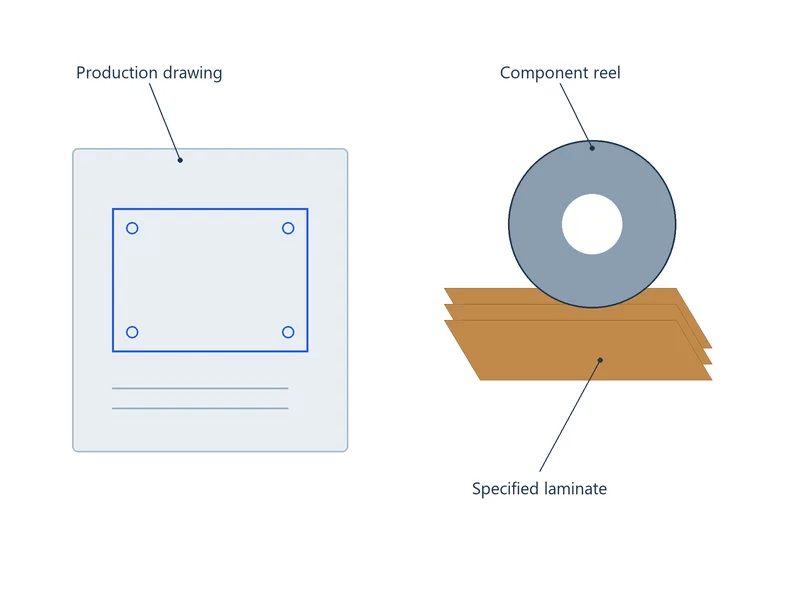
The production package identifies the board revision, drawings, stack-up and material requirements. Assembly orders also need the approved BOM, placement data and relevant component or programming instructions.
Incoming checks compare the supplied materials and components with the order requirements. Any substitution or design change that needs your approval is reviewed before it is used in production.
Control Quality Through the Production Stages
| Stage | Control focus | Information to agree |
|---|---|---|
| Production review | File consistency, revision, construction and critical requirements. | Released data, acceptance criteria and approval points. |
| Incoming materials | Specified material or part identity, condition and relevant documentation. | Material requirements, approved sourcing scope and substitution rules. |
| In-process checks | Features and process results that affect the finished board or assembly. | Critical characteristics, inspection stages and any first-article hold points. |
| Final verification | Finished condition, required measurements and completed inspection or testing. | Test coverage, pass/fail limits and records needed for release. |
| Shipment release | Order identity, quantity, packaging and required documentation. | Delivery form, labels and shipment records. |
Match the Control Plan to the Product

For bare PCBs, quality checks can address dimensions, conductor features, holes, plating, soldermask and surface finish. For assemblies, the plan also considers component identity, placement, solder joints and specified electrical behavior.
Define the applicable specification, revision and acceptance class where required. Identify critical features and agree on sampling or full inspection for the relevant characteristics rather than assuming every check uses the same coverage.
Keep Inspection Methods Separate from Acceptance Decisions
Optical inspection, X-ray, electrical measurements and functional tests provide different evidence. Select the methods and limits that address the board construction and the functions being verified.
Our PCB testing and inspection services explain the available methods. The order requirements define which checks, records and acceptance limits apply to your project.
Request Records That Match the Order
Tell us which lot references, board identifiers and material or component records you need. We confirm the available traceability scope and documentation format during the order review.
Requested records may include dimensional results, inspection images, electrical test results or functional test logs. Specify the required board or lot identification so the records can be matched to the delivered products.

Contain Problems and Verify the Next Action
When a nonconformance is identified, affected items are held for review against the approved requirements. The next action may be clarification, authorized rework, replacement or another agreed disposition.
Reworked items are inspected and retested using the applicable steps before release. Where corrective action is required, we review the cause and the changes needed to address recurrence.
Prepare Your Quality Requirements
- Approved board and assembly files with revision identifiers
- Applicable specifications, revisions and acceptance classes
- Critical dimensions, electrical limits and special inspection points
- Inspection coverage, sampling requirements and approval hold points
- Required reports, identifiers and traceability scope
- Change approval, rework restrictions and packaging requirements
Request any current certification documents needed for your supplier review and identify the scope you need verified. Quality-system certification, product recognition and order-specific inspection records serve different purposes.
Quality Control FAQs
Provide the released drawings and files, applicable specification revisions, acceptance class where required and any critical limits. Add special sampling, test coverage, report and approval requirements. Identify conflicting notes so they can be resolved before production.
Specify the records needed, such as dimensional results, inspection images or electrical and functional test results, during quotation review. Include the required format, lot or board identification and limits. We confirm the available records and agreed scope before the order is released.
State the approved revision on each order and identify any changes from the previous build. Keep the drawing, stack-up and BOM consistent. Define which substitutions or process changes need approval so repeat production does not rely on an outdated file or an assumed equivalent.
Set aside the affected items and retain their packaging labels and lot references. Send the order number, board revision, quantities, defect locations, photos and any measurements or test results. Include relevant assembly or operating conditions so the cause and the required containment, rework or replacement can be reviewed.
State your approval and rework restrictions in the order requirements. Rework must follow the applicable specification and agreed authorization; changes to released design requirements require approval. The affected boards are checked again using the relevant inspection and test steps before release.
No. A quality-system certificate addresses a defined organizational scope, while product recognition applies to its listed products or constructions. Neither replaces the inspection, testing and acceptance records specified for your order. Request the current document and check its scope and validity alongside the agreed production evidence.
Discuss Your Inspection and Release Requirements
Send your project files and quality requirements. We will review the control points, required records and acceptance scope with your team before preparing a quotation.