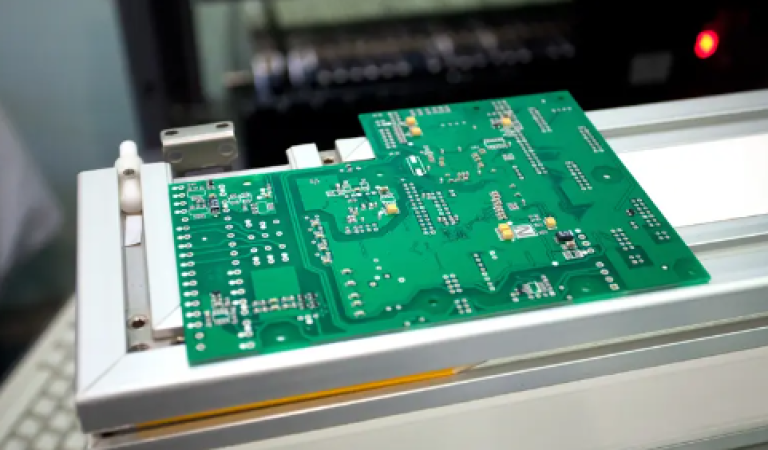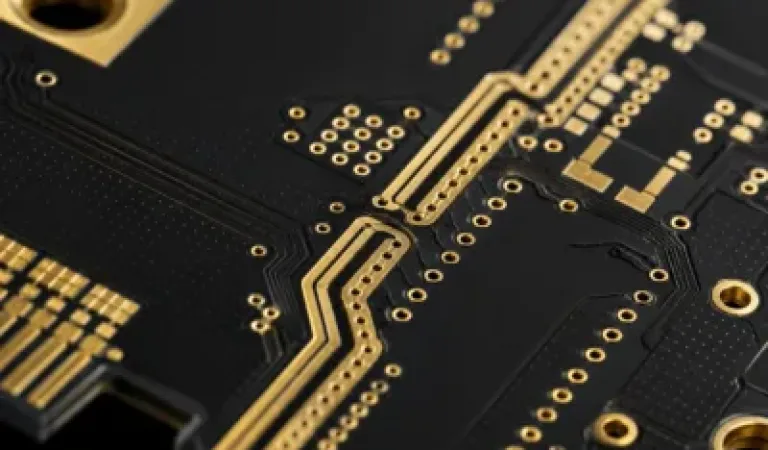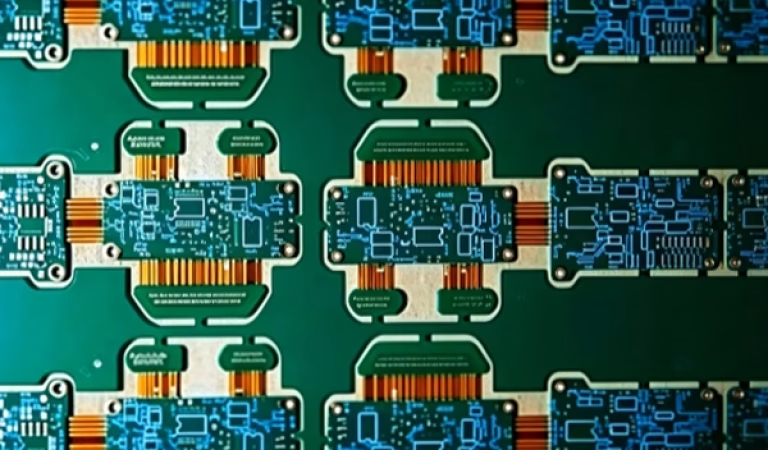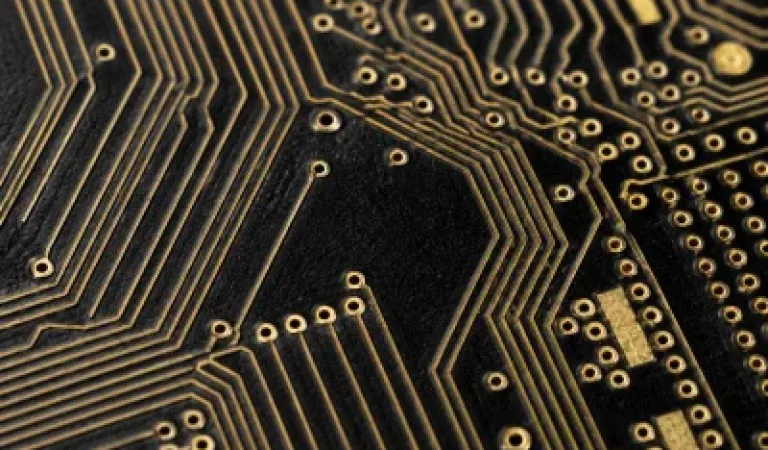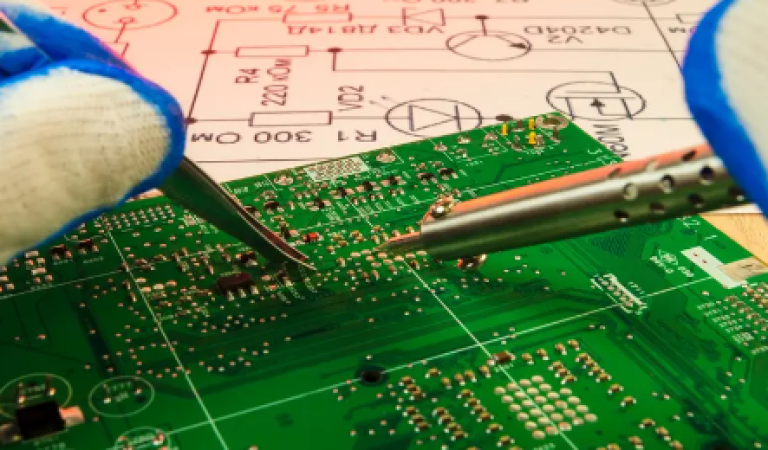

With the rapid development of 5G, 6G, satellite communication, autonomous driving, and high-speed wireless data transmission technologies, millimeter-wave communication has become a major direction for modern wireless systems. Compared with traditional communication frequencies, millimeter-wave technology offers higher bandwidth, faster transmission speeds, and lower latency. However, as operating frequencies increase, PCB requirements become much more demanding. Standard PCBs often suffer from signal loss, unstable impedance, and electromagnetic interference under millimeter-wave conditions, directly affecting communication quality and system reliability. High-performance millimeter-wave wireless communication high-frequency PCBs help reduce signal attenuation, improve high-speed transmission stability, and enhance operational reliability in complex environments, making them a critical component in modern wireless communication equipment.
What Is a Millimeter-Wave Wireless Communication High-Frequency PCB?
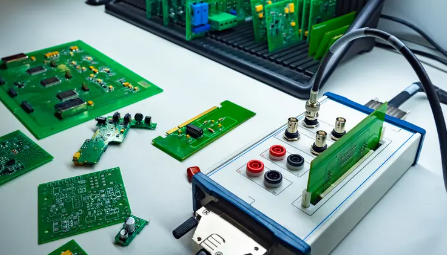
A millimeter-wave wireless communication high-frequency PCB is a specialized printed circuit board designed for high-frequency and high-speed wireless systems. It is commonly used in millimeter-wave antenna modules, 5G base stations, satellite communication equipment, high-speed data transmission systems, and advanced radar communication devices.
Compared with standard PCBs, millimeter-wave high-frequency PCBs focus more on:
- High-frequency signal integrity.
- Ultra-low signal loss.
- Stable high-frequency impedance.
- Electromagnetic interference resistance.
- High-speed transmission capability.
- Long-term operational stability.
Millimeter-wave communication frequencies typically exceed 24GHz, while some applications operate above 77GHz, creating much stricter requirements for PCB materials and manufacturing precision.
Why Do Millimeter-Wave High-Frequency PCBs Affect Wireless Communication Quality?
In millimeter-wave communication systems, high-frequency signals are extremely sensitive to PCB structure and material performance.
If PCB performance is insufficient, the following issues may occur:
- Severe signal attenuation.
- Reduced wireless transmission distance.
- Increased packet loss rate.
- High-frequency crosstalk.
- Reduced communication stability.
- Increased network latency.
High-quality millimeter-wave high-frequency PCBs help to:
- Improve high-speed signal integrity.
- Reduce high-frequency signal loss.
- Enhance wireless communication stability.
- Increase high-speed data transmission capability.
- Optimize overall millimeter-wave system efficiency.
In 5G millimeter-wave systems, PCB stability directly impacts communication performance.
Common Materials Used in Millimeter-Wave High-Frequency PCBs
Different high-frequency materials significantly affect millimeter-wave communication performance.
| High-Frequency Material | Main Features | Typical Applications |
| PTFE Materials | Ultra-low loss and low dielectric constant | Millimeter-wave antennas |
| Rogers Materials | Excellent high-frequency stability | 5G base stations |
| Ceramic-Filled Materials | Stable high-frequency performance | Satellite communication |
| Hybrid High-Frequency Materials | Balanced performance and cost | Wireless communication devices |
| Low-Loss High-Speed Laminates | Faster data transmission | High-speed communication modules |
The more stable the material performance is, the more reliable the signal transmission becomes.
Why Is Low-Loss Design So Important?
Millimeter-wave communication systems are highly sensitive to signal loss.
If PCB loss is too high, it may cause:
- Shorter communication distance.
- Reduced signal quality.
- Unstable network transmission.
- Increased heat generation.
- Lower system efficiency.
To minimize high-frequency loss, millimeter-wave PCBs often use:
- Low dielectric constant materials.
- Low-loss copper foil structures.
- High-frequency impedance control designs.
- Optimized stack-up structures.
- Shorter high-speed signal paths.
These design methods help maintain stable and efficient high-speed data transmission.
Why Does Impedance Control Affect Millimeter-Wave System Performance?
Millimeter-wave communication systems require extremely stable high-speed signal consistency.
If impedance becomes unstable, it may lead to:
- High-frequency signal reflection.
- Data transmission errors.
- Signal crosstalk problems.
- Unstable wireless signals.
- Increased communication latency.
High-precision impedance control helps to:
- Maintain stable high-speed signals.
- Improve data synchronization capability.
- Reduce electromagnetic interference.
- Increase wireless transmission efficiency.
- Enhance overall system stability.
In high-speed wireless modules, even very small impedance deviations can affect final communication performance.
What Are the Main Manufacturing Challenges of Millimeter-Wave High-Frequency PCBs?
Millimeter-wave high-frequency PCBs require much higher manufacturing precision than conventional PCBs.
Key production controls include:
- Stability of high-frequency material lamination.
- Precision of high-frequency trace processing.
- Copper surface roughness control.
- High-frequency impedance consistency.
- Stability of multilayer stack-up structures.
- Laser drilling precision.
- High-frequency signal return path optimization.
- Thermal management structure design.
As operating frequencies increase, PCB traces become more sensitive to dimensional deviations, and even minor errors may affect overall system stability.
Manufacturing high-frequency PCBs requires not only advanced equipment but also extensive engineering experience and strict quality management.
Main Applications of Millimeter-Wave High-Frequency PCBs
With the rapid advancement of wireless communication technology, millimeter-wave high-frequency PCBs are now widely used in many advanced industries.
- 5G and 6G Communication Systems:Used for high-speed wireless transmission and advanced base station equipment.
- Millimeter-Wave Antenna Modules:Support stable wireless signal transmission and reception.
- Satellite Communication Equipment:Suitable for high-frequency long-distance communication systems.
- Autonomous Driving Radar Systems:Improve real-time detection and high-speed data processing capability.
- High-Speed Wireless Data Centers:Increase high-speed data exchange efficiency and stability.
Why Choose Our Millimeter-Wave High-Frequency PCB Products?
Millimeter-wave communication systems require extremely high PCB stability and consistency, making PCB quality critical for system performance.
Our millimeter-wave high-frequency PCB products offer:
- Support for millimeter-wave and ultra-high-frequency applications.
- Low dielectric and low-loss high-frequency materials.
- High-precision impedance control capability.
- Stable high-speed signal transmission performance.
- Extensive high-frequency PCB manufacturing experience.
- Strict quality inspection procedures.
- Support for complex multilayer high-frequency structures.
- Fast prototyping and mass production capability.
- Strong environmental adaptability.
We provide reliable PCB manufacturing support for 5G communication systems, satellite equipment, millimeter-wave modules, and high-speed wireless devices.
Future Trends: Higher Speed, Lower Loss, and Greater Integration
As 6G communication, AI wireless networks, and high-speed satellite communication continue to evolve, millimeter-wave high-frequency PCB technology is also advancing rapidly.
Future development directions include:
- Lower-loss high-frequency materials.
- Higher-frequency millimeter-wave applications.
- More precise impedance control.
- More complex HDI high-frequency structures.
- AI-assisted PCB design.
- Advanced thermal management technologies.
- Automated intelligent inspection systems.
Future high-frequency PCBs must support not only faster data transmission but also long-term stable operation in complex environments.
In modern wireless communication systems, millimeter-wave high-frequency PCBs have become a critical foundation affecting transmission speed, communication stability, and overall system reliability. As 5G, 6G, and high-speed wireless communication technologies continue to advance, the demand for low-loss performance, high stability, and strong environmental adaptability is growing rapidly. High-quality millimeter-wave wireless communication high-frequency PCBs improve signal integrity, reduce operational risks, and enhance long-term stability. Topline Circuit specializes in high-frequency PCBs, HDI PCBs, and complex multilayer PCB manufacturing, providing stable and reliable PCB solutions for millimeter-wave communication, 5G equipment, satellite communication systems, and advanced wireless devices. For more information about customized high-frequency PCB solutions, feel free to contact us.
Email: sales@toplinecircuit.com
VK: vk.com/id1058761391
WhatsApp / WeChat: +86 134 2515 6463
Address: 3/F, Building B3, Yanchuan North Industrial Park, Yanluo Street, Bao’an District, Shenzhen, China