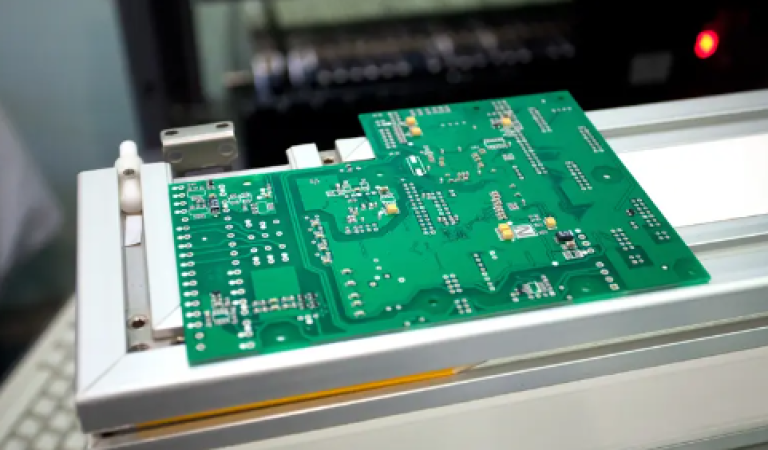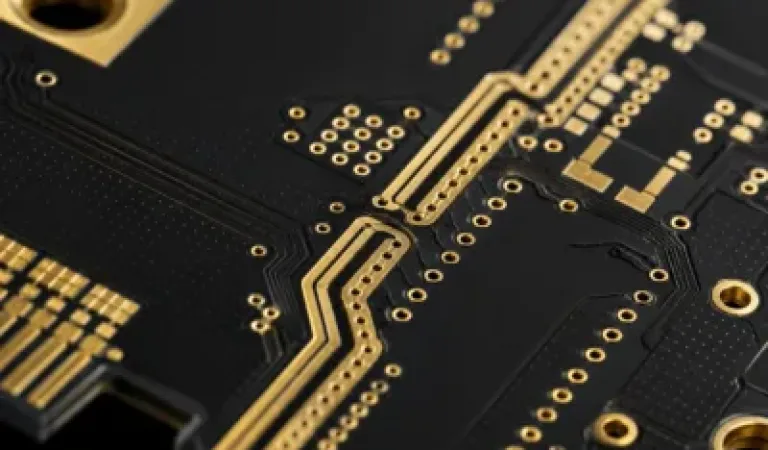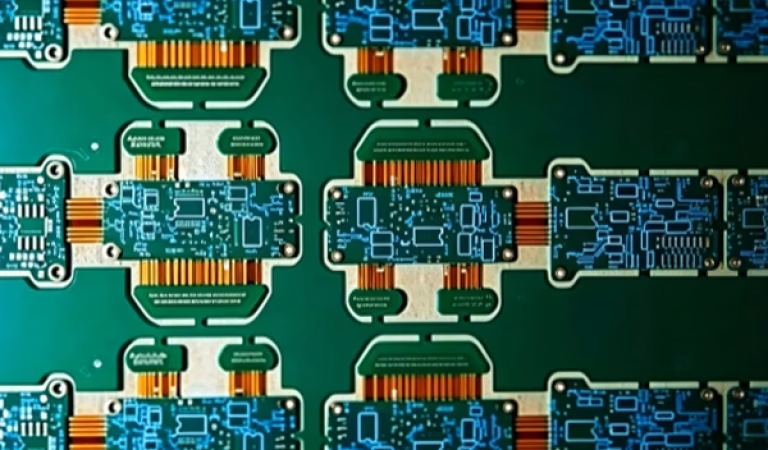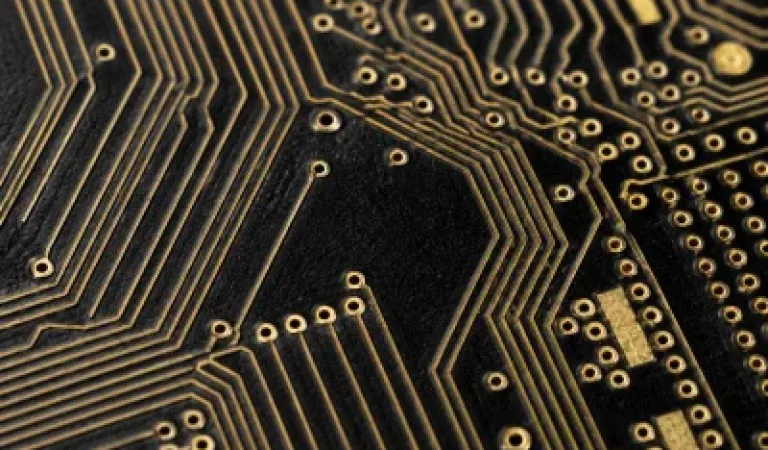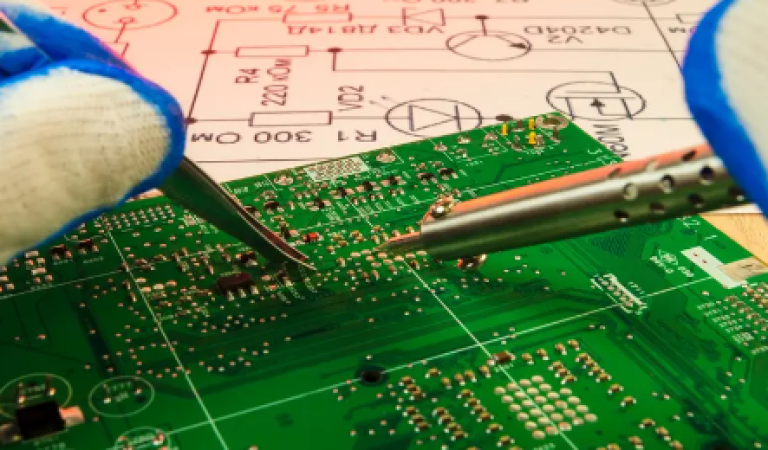

Power module equipment is continuously evolving toward higher power density, higher efficiency, and smaller form factors. PCB heat dissipation capability has become a critical factor for stable system operation. Traditional FR-4 PCBs under high-power operating conditions are prone to issues such as heat accumulation, localized high temperatures, and reduced long-term stability. Therefore, more and more power module products are adopting aluminum PCB solutions. With their excellent thermal conductivity, high mechanical strength, and good structural stability, aluminum PCBs have become an important thermal dissipation solution for power conversion, power control, and industrial drive systems. By optimizing thermal dissipation structures, impedance control, and power circuit layout, aluminum PCBs for power modules effectively enhance thermal management capability while meeting the application requirements of high current, high temperature, and long-term continuous operation.
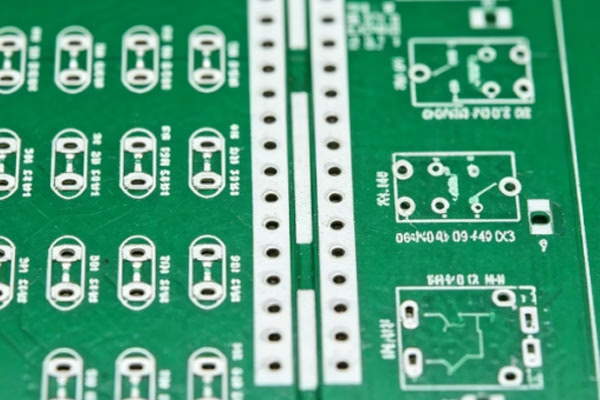
Power Module Aluminum PCB Product Introduction
Fast-charging power banks generate more heat as output power increases. Standard FR-4 PCBs may lead to local overheating, heat buildup, and unstable long-term performance.
Aluminum PCBs are a practical choice for power bank power circuits. They conduct heat efficiently, provide strong mechanical support, and help control production costs. With proper thermal design, impedance control, and circuit layout, aluminum PCBs can improve charging stability and support thinner, smaller, and more reliable power bank designs.
Power Module Aluminum PCB Product Advantages
High-power electronic systems have increasingly stringent requirements for PCB thermal conductivity and stability.
- Aluminum PCBs quickly conduct heat, effectively reducing the operating temperature of power devices.
- The high-thermal-conductivity structure minimizes heat accumulation, improving system continuous operation stability.
- Aluminum PCBs reduce the need for additional heat sinks and fans, optimizing overall structural space.
- The high mechanical strength structure enhances PCB impact and vibration resistance.
- Thick copper design supports higher current output environments.
- Lower thermal resistance structure helps improve power conversion efficiency.
High heat dissipation and high reliability are key advantages of power module aluminum PCBs.
Why Choose Our Power Module Aluminum PCB Products
Power module PCB manufacturing places stricter requirements on thermal conductivity and processing accuracy.
- We support customization of high-thermal-conductivity aluminum PCBs, multilayer structures, and thick copper design.
- High-precision etching and lamination processes ensure circuit stability and structural reliability.
- We support impedance control, high-Tg materials, and special heat dissipation structure designs.
- Board thickness, copper thickness, and surface finish can be customized according to project requirements.
- We support various surface finish options including ENIG, OSP, and HASL.
- With extensive experience in high-power PCB manufacturing, we are suitable for industrial and new energy applications.
Mature manufacturing processes and flexible customization capabilities make it easier to meet complex power module project requirements.
Power Module Aluminum PCB Product Frequently Asked Questions
During the development phase, many projects pay special attention to the actual operational performance of power module PCBs.
- Compared with standard FR-4 PCBs, aluminum PCBs offer higher heat dissipation efficiency.
- In high-power operating environments, the aluminum structure reduces the risk of deformation caused by high temperatures.
- Thick copper design supports higher current output and power load requirements.
- Although material costs are relatively higher, they reduce long-term maintenance and heat dissipation costs.
- Aluminum PCBs support long-term continuous operation, making them more suitable for industrial control environments.
- Proper impedance control and circuit layout improve overall power supply stability.
Long-term reliability and thermal management capability are important considerations for power module aluminum PCBs.
Power Module Aluminum PCB Product Main Features
High-power equipment has continuously increasing requirements for PCB structural stability and thermal management capability.
- Aluminum PCBs can serve directly as part of the heat dissipation structure, reducing overall product thickness.
- Supports high-current, high-power, and high-temperature operating environments.
- Supports thick copper, high thermal conductivity, and high insulation structure designs.
- Applicable to industrial drives, power modules, new energy systems, and other fields.
- High insulation performance and low leakage current design make them more suitable for complex industrial environments.
- Supports various special process and structural customization options.
Flexible structural design enables power module aluminum PCBs to meet the needs of various high-power electronic systems.
Power Module Aluminum PCB Product Application Areas
| Application Direction | Main Requirement | PCB Characteristic |
| Industrial Power Supply | High power output | High thermal conductivity heat dissipation |
| Motor Drive | Long-term operation | High stability |
| Inverter System | Thermal control | Thick copper structure |
| New Energy Equipment | High current load | High reliability |
| Energy Storage System | Continuous power supply | Strong thermal management capability |
| Industrial Control | Complex operating environment | High mechanical strength |
The development of power module aluminum PCB design and customization is driving high-power electronic equipment toward greater stability, higher heat dissipation efficiency, and longer service life. In industrial control, new energy, power systems, and automation equipment, aluminum PCBs have become an important foundational platform that integrates thermal management, structural stability, and long-term reliability. Facing high heat, high power, and complex operating environments, PCBs must achieve a more reasonable balance among materials, structure, manufacturing processes, and thermal design. Through systematic analysis of product advantages, manufacturing capabilities, frequently asked questions, and main features, we can more fully understand the application value of power module aluminum PCBs in modern high-power electronic systems, and provide clearer reference directions for subsequent product development and solution design.
If you need assistance, please contact us at sales@toplinecircuit.com.