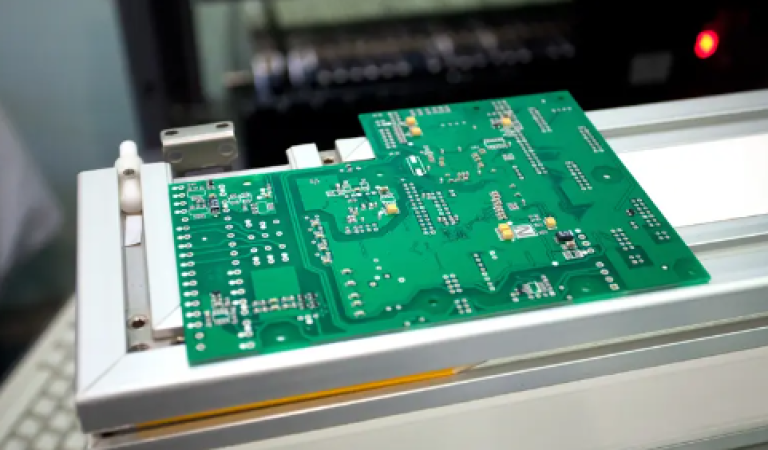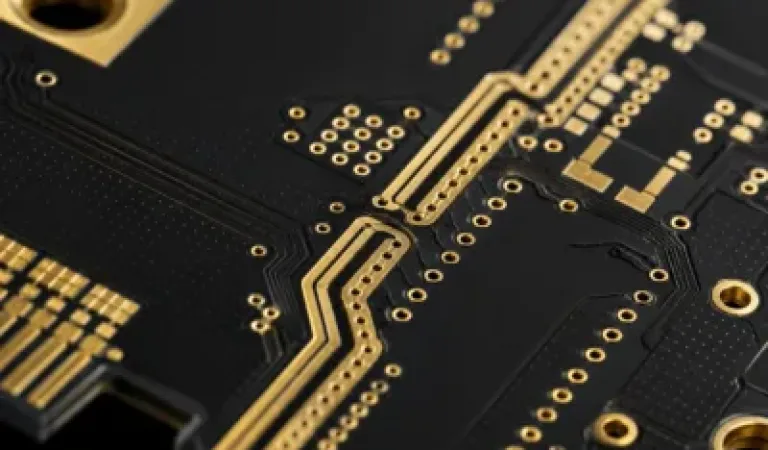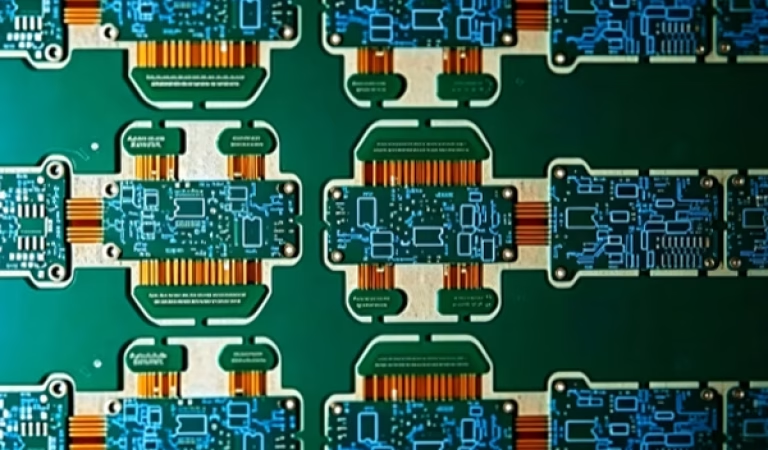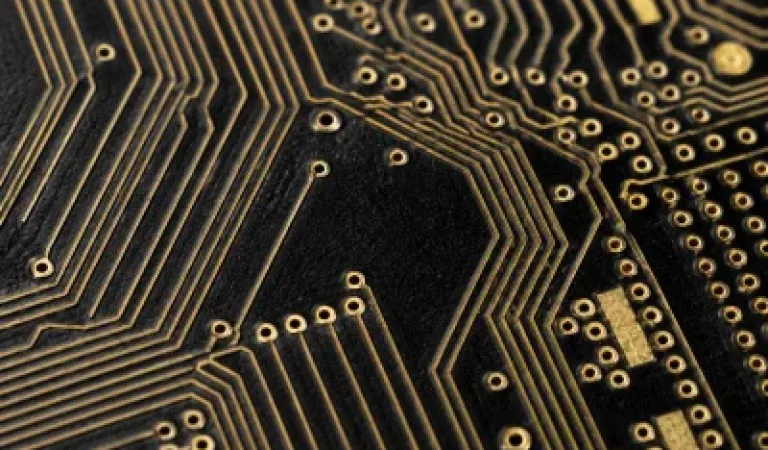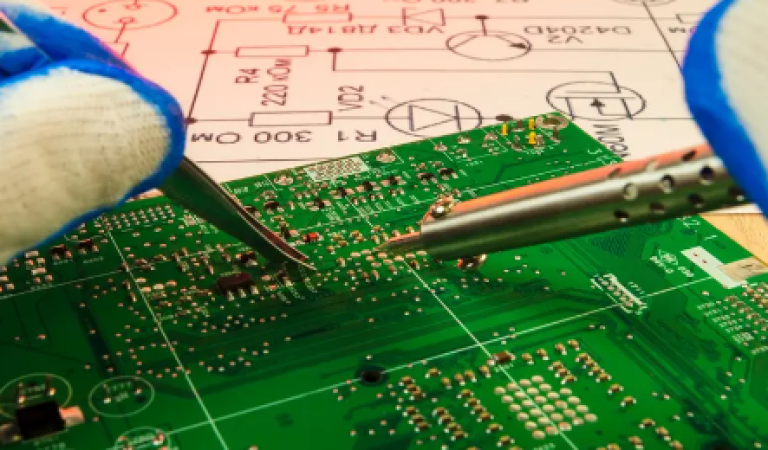

As LED lighting equipment continues to advance in brightness, power, and structural integration, the PCB is no longer just a simple circuit carrier but has become an important component that directly affects heat dissipation efficiency, system stability, and product lifespan. Traditional single-layer PCBs in high-density LED layout environments are prone to issues such as uneven heat dissipation, insufficient wiring space, and excessive temperature rise during long-term operation. Therefore, multi-layer composite aluminum PCB solutions have begun to be widely used in industrial lighting, automotive lamps, and intelligent LED systems. The four-layer LED aluminum PCB, combining FR-4 and aluminum-based materials, can simultaneously achieve high-density wiring and efficient heat transfer capability, while meeting the stability and reliability requirements of complex driver control systems. By optimizing thermal-electrical separation structures, heat conduction paths, and multi-layer circuit layouts, four-layer LED aluminum PCBs help LED systems achieve more stable long-term operation.
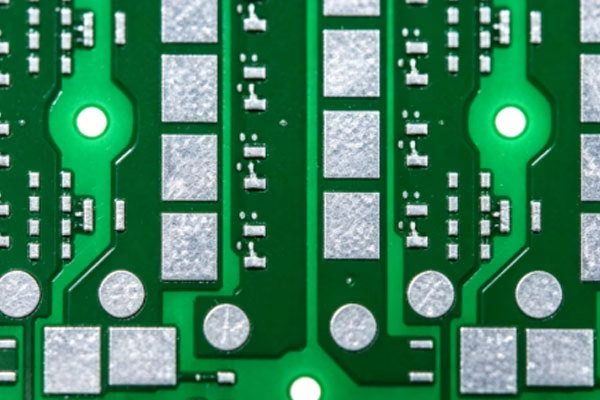
Four-Layer LED Aluminum PCB Product Introduction
A four-layer LED aluminum PCB is a composite PCB solution that combines an FR-4 multi-layer circuit structure with an aluminum-based metal heat dissipation layer, primarily used in high-power LED lighting, industrial lamps, automotive lighting, and intelligent lighting systems. Compared with traditional single-layer aluminum PCBs, the four-layer structure provides higher wiring density and supports more complex driver circuit and control system designs. This type of PCB adopts a thermal-electrical separation design, effectively isolating heat-generating areas from control circuits, thereby improving overall heat dissipation efficiency and system stability. At the same time, the aluminum-based structure enhances PCB mechanical strength and dimensional stability, making it more suitable for long-term continuous operation environments.
Four-Layer LED Aluminum PCB Product Advantages
High-power LED systems have increasingly stringent requirements for PCB heat dissipation capability and circuit integration capability.
- The four-layer composite structure provides greater wiring space, supporting complex driver and control circuit designs.
- The combination of FR-4 and aluminum-based materials simultaneously achieves circuit integration and heat dissipation capability.
- The thermal-electrical separation structure reduces the impact of heat on signal circuits and control systems.
- The high-thermal-conductivity aluminum base layer quickly dissipates heat generated during LED operation.
- The multi-layer structure improves the overall integration capability and space utilization of LED systems.
- The high mechanical strength structure is more suitable for complex environments such as industrial lighting and automotive lighting.
- Good electrical isolation capability improves system operational safety.
- Supports high-power, high-brightness, and long-term continuous operation environments.
High-density integration and high heat dissipation performance are key advantages of four-layer LED aluminum PCBs.
Why Choose Our Four-Layer LED Aluminum PCB Products
Multi-layer LED aluminum PCB manufacturing places stricter requirements on lamination accuracy and heat dissipation structure.
- We support customization of four-layer aluminum PCBs, multi-layer structures, and thick copper solutions.
- High-precision etching and lamination processes ensure circuit stability and structural reliability.
- We support high-thermal-conductivity dielectric layers, high-Tg materials, and special heat dissipation structure designs.
- Copper thickness, board thickness, and surface finish can be customized according to project requirements.
- We support impedance control, high-density circuitry, and complex LED control system designs.
- With extensive experience in LED lighting PCB manufacturing, we are suitable for various luminaire projects.
- We support various surface finish options including ENIG, OSP, and HASL.
- Strict control of thermal management structure and board stability improves long-term operational reliability.
Mature manufacturing processes and flexible customization capabilities make it easier to meet complex LED lighting project requirements.
Four-Layer LED Aluminum PCB Product Frequently Asked Questions
Many LED lighting projects pay special attention to long-term PCB operational performance during the development phase.
- Four-layer aluminum PCBs offer higher circuit integration capability compared with standard double-layer PCBs.
- The thermal-electrical separation structure reduces the impact of high-temperature environments on control circuits.
- The high-thermal-conductivity aluminum structure reduces temperature rise during long-term LED chip operation.
- The multi-layer structure reduces external connection wiring, improving overall stability.
- The high mechanical strength structure reduces structural risks caused by thermal cycling and vibration.
- Although the manufacturing process is more complex, it improves long-term product reliability.
- Proper thermal management design extends the overall service life of LED luminaires.
- High flatness and stable structure are more suitable for high-density LED layout environments.
Long-term stability and thermal management capability are important considerations for four-layer LED aluminum PCBs.
Four-Layer LED Aluminum PCB Product Main Features
LED lighting systems have continuously increasing requirements for PCB structural stability and thermal management capability.
- Four-layer aluminum PCBs support high-brightness, high-power, and high-density LED layout environments.
- The FR-4 and aluminum-based composite structure improves overall circuit design flexibility.
- Supports thermal-electrical separation, high thermal conductivity, and high insulation structure designs.
- Applicable to industrial lighting, automotive lamps, intelligent LED systems, and other fields.
- The multi-layer structure improves overall circuit integration capability and space utilization.
- High insulation performance and stable structure are more suitable for complex industrial environments.
- Supports integration of complex driver circuits and intelligent control systems.
- More suitable for long-term continuous operation and high-heat application requirements.
Flexible structural design enables four-layer LED aluminum PCBs to meet the needs of various LED lighting systems.
Four-Layer LED Aluminum PCB Product Application Areas
| Application Direction | Main Requirement | PCB Characteristic |
| Industrial Lighting | Long-term operation | High heat dissipation capability |
| Automotive Lamps | High reliability | Thermal-electrical separation design |
| Intelligent Lighting | System integration | Four-layer composite structure |
| Stage Lighting | High brightness output | High thermal conductivity |
| Outdoor Lighting | Environmental stability | High mechanical strength |
| LED Modules | High-density layout | Multi-layer wiring capability |
The custom design of four-layer LED aluminum PCBs is becoming an important foundational solution for high-power LED lighting systems. In industrial lighting, automotive electronics, stage lighting, and intelligent lighting, multi-layer composite aluminum PCBs simultaneously meet the requirements for high-density circuit layout, rapid heat conduction, and long-term stable operation. As LED products continue to evolve toward higher brightness, smaller size, and greater intelligence, PCB structures also need higher integration capability and more stable thermal management performance. Through proper optimization of material structure, heat dissipation paths, and circuit layout, four-layer LED aluminum PCBs effectively improve the overall reliability of LED systems and provide more stable foundational support for future high-performance LED lighting products.
If you need assistance, please contact us at sales@toplinecircuit.com.