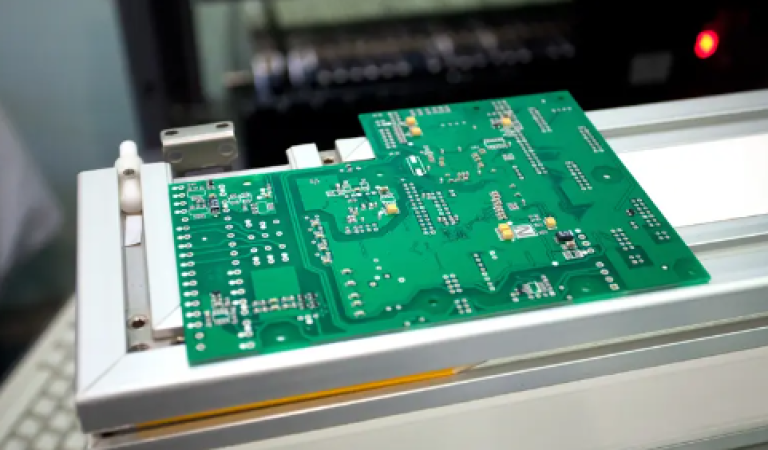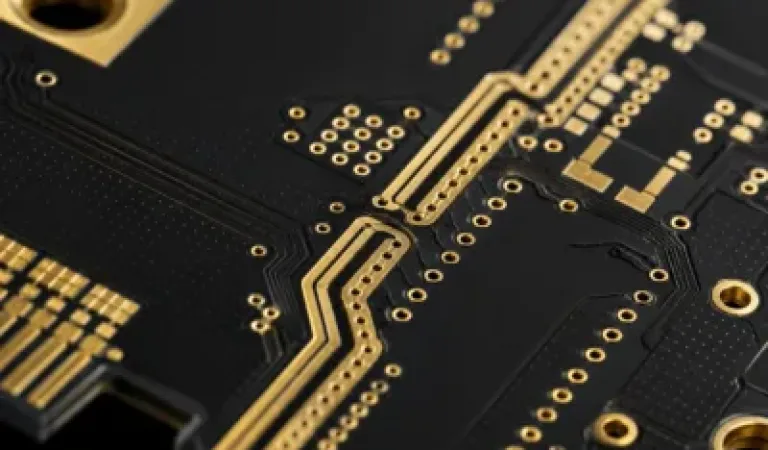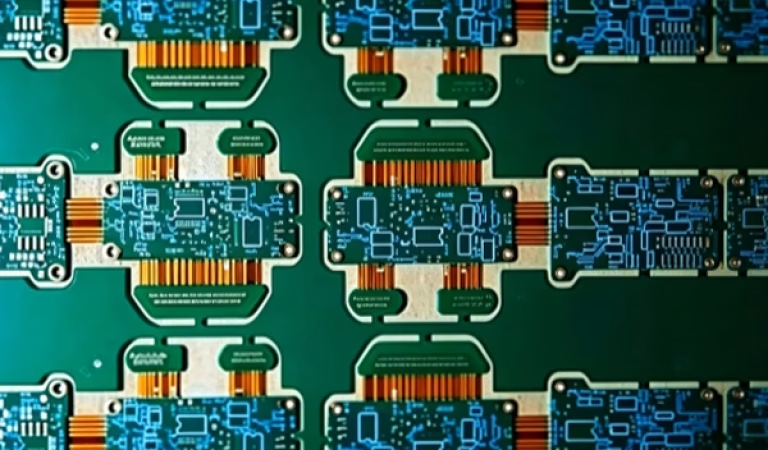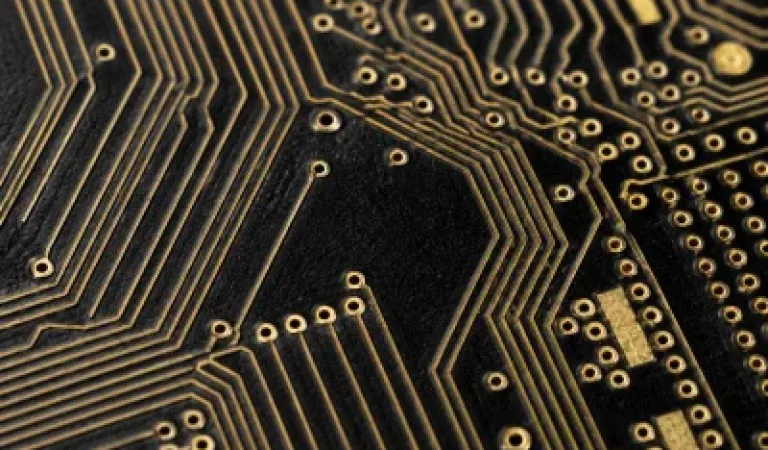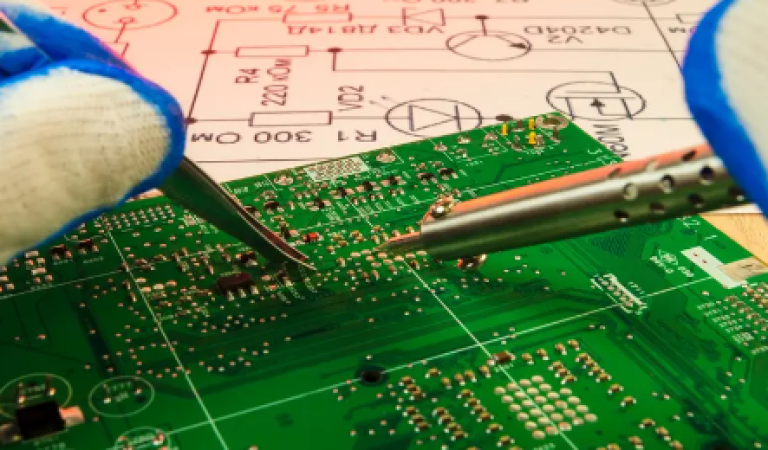

4 oz ultra-thick copper PCBs are widely used in industrial control systems, power modules, new energy equipment, automotive electronics, and energy storage systems. These applications require high current capacity, better heat dissipation, and stable long-term operation.
Compared with standard PCBs, 4 oz thick copper PCBs can handle larger current loads. The thicker copper layer also helps spread heat more effectively. This makes them suitable for high-current, high-temperature, and demanding working environments.
Manufacturing 4 oz thick copper PCBs requires strong process control. Etching, plating, lamination, and drilling all affect board quality. Proper material selection, stack-up design, and production experience are important for stable electrical performance and long-term reliability.
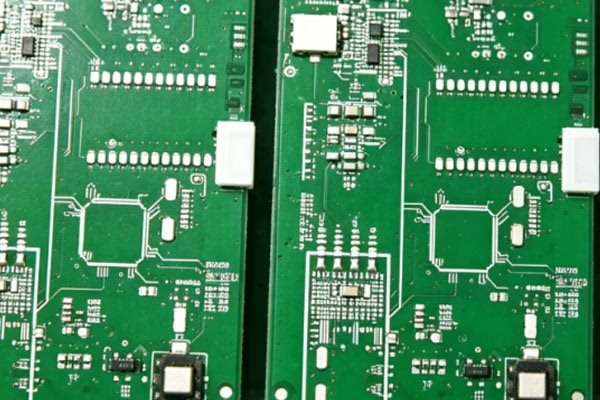
4 oz ultra-thick copper PCBs offer significant performance advantages
High-power systems have increasingly stringent requirements for PCB current-carrying capacity and stability.
- 4 oz thick copper reduces circuit resistance and minimizes heating issues during high-current operation.
- The thick copper structure improves power delivery stability while enhancing overall heat dissipation efficiency through thermal design integration.
High current-carrying and high heat dissipation capabilities are key advantages of thick copper PCBs in industrial equipment.
Mature manufacturing capability meets complex custom requirements
Thick copper PCB processing is challenging and demands tighter process control.
- High-precision etching processes effectively control trace width and edge accuracy.
- Customization of layer count, copper thickness, and special structures is supported to meet the needs of different industrial projects.
Stable process capability directly affects the long-term reliability of PCBs in service.
Common issues primarily focus on reliability and manufacturing capability
During the procurement phase, many projects place special emphasis on the actual operational performance of thick copper PCBs.
- High-Tg materials reduce the risk of delamination and warpage during high-temperature operation.
- Optimized etching compensation and lamination processes ensure trace precision and structural stability.
Processing accuracy and long-term stability are important areas of focus for thick copper PCBs.
4 oz ultra-thick copper PCBs offer multiple core characteristics
Thick copper PCBs are continuously evolving toward higher performance and more complex structures.
- They can be used in inverters, motor drives, energy storage equipment, and industrial power systems.
- Various design options are supported, including multilayer boards, mixed copper thicknesses, and special heat dissipation structures.
Flexible structural design enables thick copper PCBs to adapt to different types of high-power projects.
Comparison Table of Key Characteristics of 4 oz Ultra-Thick Copper PCBs
| Technical Dimension | Performance of 4 oz Ultra-Thick Copper PCB | Key Focus | Core Advantage |
| Copper Thickness Specification | 4 oz thick copper | Current-carrying capacity | High current-carrying performance |
| Thermal Performance | High heat diffusion efficiency | Temperature rise control and stability | Enhanced thermal management capability |
| Manufacturing Process | High-precision etching and plating | Plated copper quality and trace accuracy | Improved reliability |
| Material Solution | High-Tg material combined with thick copper | High-temperature operational stability | Strong thermal resistance |
| Custom Capability | Supports multilayer and special structures | Project adaptability | Flexible structure |
| Application Areas | Industrial, new energy, automotive electronics | Long-term operational stability | Meets complex operating requirements |
4 oz ultra-thick copper PCBs are suitable for high-power electronic systems that require higher current capacity, better heat dissipation, and long-term reliability. They are commonly used in industrial control systems, energy storage equipment, automotive electronics, power modules, and new energy applications.
In these products, copper thickness, stack-up design, material selection, and thermal management all affect PCB performance. Stable manufacturing control is also important for etching, plating, lamination, and drilling.
For custom 4 oz ultra-thick copper PCB support, please contact us at sales@toplinecircuit.com.