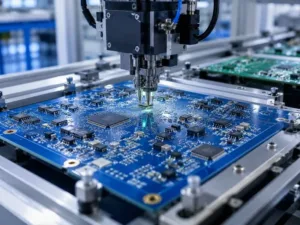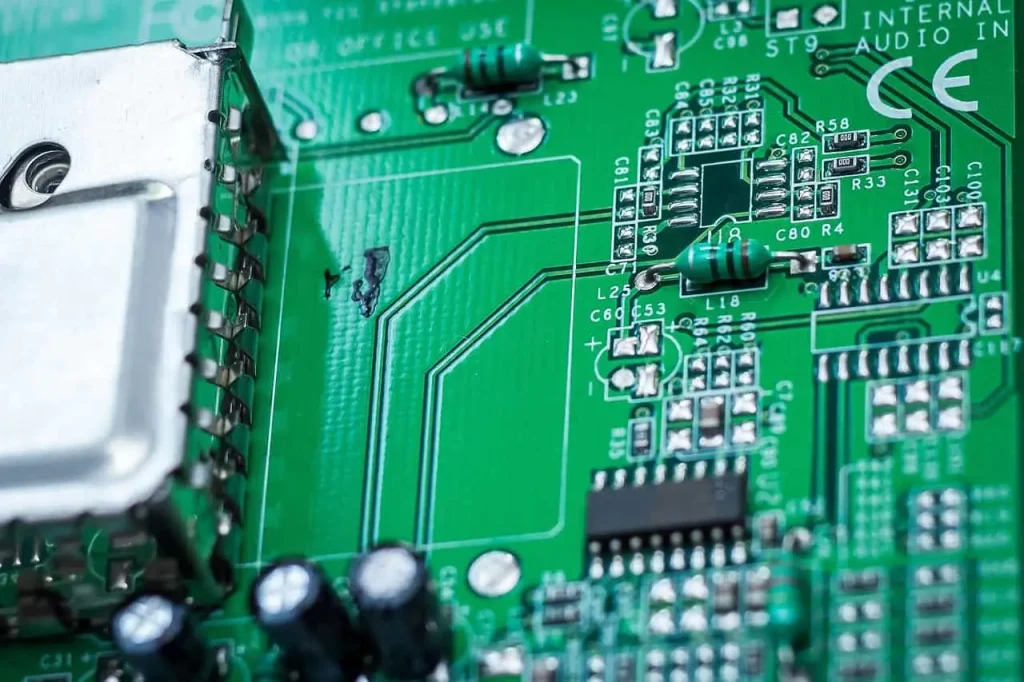

PCB circuit board soldering is one of the most basic and critical processes in electronics manufacturing, directly affecting the proper functioning of circuits and the long-term reliability of products. Soldering involves heating and melting solder (such as tin) to firmly connect electronic components to PCB pads, achieving electrical connection and mechanical fixation. While seemingly simple, in practice, factors such as temperature control, As electronic products become increasingly dense and miniaturized, PCB soldering processes are constantly evolving, from traditional manual soldering to automated reflow soldering and wave soldering technologies, resulting in more diverse soldering methods. Professional manufacturers like Topray Circuits not only provide PCB manufacturing but also assembly, testing, and verification, offering a one-stop service from design to finished product, greatly improving soldering quality and production efficiency.soldering time, and solder joint quality significantly impact the final result.
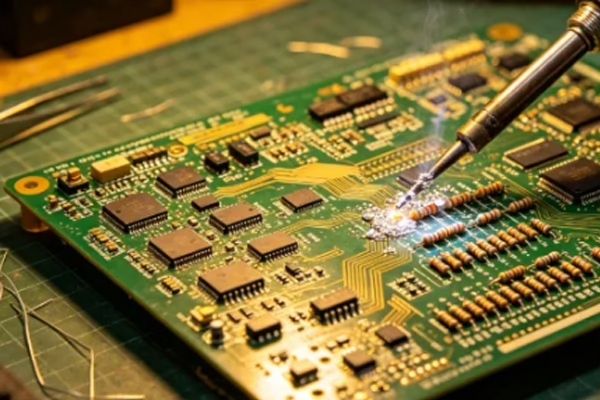
Detailed Soldering Steps
· Prepare Tools and Materials
Common tools include soldering irons, solder wire, flux, tweezers, etc., ensuring the equipment is in good working order.
· Clean the PCB Surface
Before soldering, clean the oxide layer or dust from the pad surface to ensure good solder adhesion.
· Secure the Components
Insert the components into their corresponding holes or surface mount positions, ensuring accurate placement.
· Heat the Solder Joint
Use a soldering iron to simultaneously contact the pads and component leads, ensuring even heating.
· Add Solder
While heated, apply solder, ensuring even coverage of the solder joint.
· Cool and Check
After cooling, the solder joint should be smooth, tapered, and free of cold solder joints or short circuits.
Advantages and Disadvantages of Different Welding Methods
Common PCB soldering methods include manual soldering, wave soldering, and reflow soldering. Manual soldering offers flexibility and is suitable for small batches or repair applications, but requires highly skilled operators and exhibits inconsistent results. In contrast, wave soldering is suitable for mass production of through-hole components, offering high efficiency but unsuitable for precision components. Reflow soldering is primarily used for surface mount components (SMD), achieving automated soldering through temperature profile control, resulting in stable soldering quality and making it the mainstream process in modern electronics manufacturing. However, its equipment cost is high, and it has strict requirements for process parameters.
Frequently Asked Questions
Q: Why are solder joints black or uneven?
A: This may be due to excessively high temperature or prolonged soldering time, leading to severe oxidation.
Q: What is a cold solder joint?
A: A solder joint may appear connected on the surface, but internal contact is poor, causing circuit instability.
Q: Is more solder always better?
A: No, excessive solder can cause short circuits or affect the solder joint structure.
Q: What is the function of flux?
A: It can remove oxides and improve the fluidity and adhesion of the solder.
Practical Application Examples
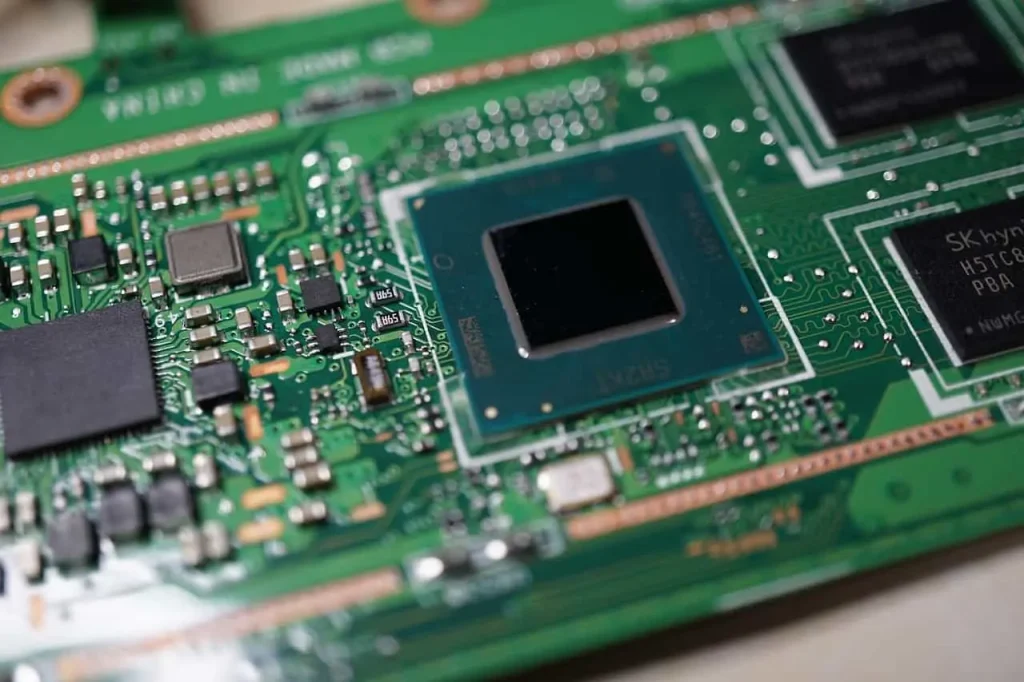
For example, in DIY electronics projects, engineers typically use manual soldering to attach components such as resistors and capacitors to the PCB. This method is flexible but requires good operating skills; otherwise, cold solder joints or short circuits are prone to occur. In large-scale electronic product manufacturing, such as the production of motherboards for smart devices, reflow soldering processes are usually used, with automated equipment completing the soldering to ensure the consistency and reliability of each solder joint. In automotive electronics or high-reliability equipment, soldering quality requirements are extremely high, often necessitating rigorous testing. In these cases, specialized manufacturers like Topray Circuits can provide a complete service from PCB manufacturing to soldering assembly and testing verification, ensuring that every solder joint meets high standards.
PCB soldering is not only a basic skill but also a technology requiring accumulated experience. From manual operation to automated production, each method has its applicable scenarios. Only by mastering the correct methods and combining them with standardized processes and professional support can stable and reliable soldering quality be ensured. By leveraging the one-stop service capabilities of companies like Topray Circuits, production risks can be further reduced, overall product quality improved, and PCB soldering can progress from “usable” to “reliable and stable.”