


In the electronics manufacturing industry, production demand does not always jump directly from prototype to mass production. Many products go through a transitional stage where demand is growing but has not yet reached full-scale manufacturing levels. Mid-volume PCB assembly plays a critical role in this phase by providing a balanced solution between flexibility and efficiency. It allows manufacturers to maintain consistent quality while still adapting to design changes, making it an ideal production strategy for companies scaling their products to the market.
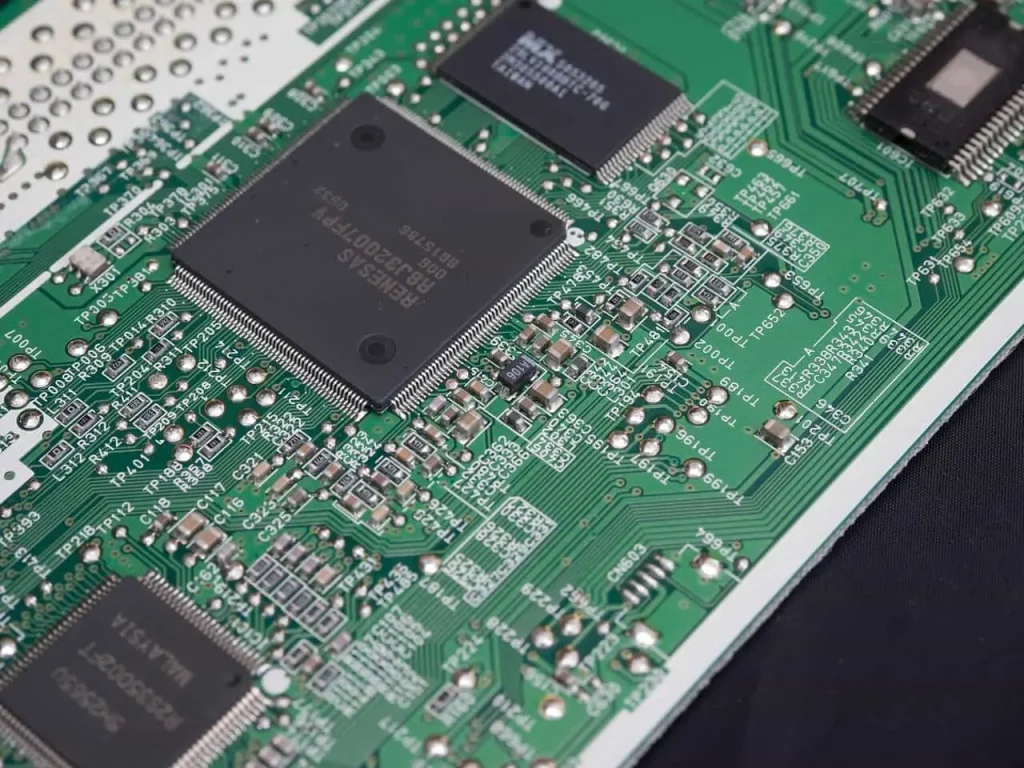
What Is Mid-Volume PCB Assembly?
Mid-volume PCB assembly refers to the production of printed circuit boards in moderate quantities, typically ranging from hundreds to several thousand units per batch.
This production model fills the gap between low-volume prototyping and high-volume manufacturing, offering a combination of controlled cost, stable quality, and production flexibility. It is commonly used when products have passed validation and are entering early market expansion stages.
Key characteristics include:
- Balanced production scale: Supports production volumes that are larger than prototypes but not yet at mass-production levels.
- Process stability: Uses validated workflows and standardized procedures to ensure consistent output.
- Flexible manufacturing capability: Allows design updates, component changes, and process optimization during production.
- Controlled cost structure: Avoids the high setup costs associated with full-scale manufacturing while improving unit cost compared to small batches.
- Supply chain adaptability: Enables better inventory management and reduces the risk of overproduction.
Key Differences Between Low, Mid, and High Volume PCB Assembly
Understanding the position of mid-volume production becomes clearer when compared with other manufacturing levels:
| Production Type | TypeTypical Quantity | Cost Structure | Flexibility | Production Speed | Risk Level |
| Low Volume | 1-500 units | Higher per unit | Very high | Fast | Low |
| Mid Volume | 500-5,000 units | Balanced cost | Moderate to high | Stable and efficient | Moderate |
| High Volume | 5,000+ units | Lowest per unit | Low | Very high | Higher scaling risk |
Mid-volume PCB assembly stands out by offering a practical balance between cost efficiency and production adaptability, making it ideal for growing products.
Mid-Volume PCB Assembly Process
Mid-volume PCB assembly follows a structured workflow similar to large-scale manufacturing but with greater flexibility and control.
- Design for manufacturability (DFM): PCB layouts are optimized to reduce production risks and improve efficiency.
- Component sourcing: Reliable suppliers are selected to ensure consistent material quality and availability.
- PCB fabrication: Boards are manufactured using suitable materials such as FR-4 or high-performance substrates.
- SMT and THT assembly: Automated and semi-automated processes are used for component placement and soldering.
- Reflow and wave soldering: Thermal processes ensure strong electrical and mechanical connections.
- Inspection and testing: AOI, X-ray, and functional testing are applied to maintain quality standards.
- Final packaging: Products are cleaned, protected, and prepared for delivery with batch traceability.
This workflow ensures that each PCB meets performance requirements while maintaining production efficiency.
Advantages of Mid-Volume PCB Assembly
Mid-volume PCB assembly offers a range of benefits that make it a preferred choice for many electronics manufacturers.
- Cost efficiency with flexibility: Production costs are lower than prototypes while avoiding the high initial investment of mass production.
- Faster time to market: Production cycles remain relatively short, enabling quicker product launches.
- High product consistency: Standardized processes ensure stable quality across batches.
- Easier design iteration: Modifications can still be implemented without major disruption to production lines.
- Reduced inventory risk: Production volumes can be adjusted based on real market demand.
Typical Applications of Mid-Volume PCB Assembly
Mid-volume PCB assembly is widely used in industries that require reliable production with moderate quantities.
- Consumer electronics: Smart devices and IoT products during early market expansion
- Automotive electronics: Control modules and sensors requiring consistent quality
- Medical devices: Diagnostic equipment and monitoring systems with strict reliability requirements
- Industrial equipment: Control systems and automation devices
- Communication systems: Network modules and embedded electronics
These industries benefit from the balance of scalability and quality control that mid-volume production provides.
Future Trends in Mid-Volume PCB Assembly
As manufacturing technologies continue to evolve, mid-volume PCB assembly is becoming more intelligent and data-driven. Production systems are increasingly integrating automation with flexible workflows, allowing manufacturers to maintain efficiency while adapting to changing product requirements. Digital management systems are improving traceability and process control, while advanced inspection technologies enhance product reliability. This evolution is making mid-volume assembly an even more critical stage in the electronics production lifecycle.
Mid-volume PCB assembly serves as a crucial bridge between prototype development and large-scale manufacturing. It enables companies to scale production gradually while maintaining control over cost, quality, and flexibility. For businesses aiming to grow their electronic products in a competitive market, adopting a well-structured mid-volume PCB assembly strategy is essential for achieving stable production and long-term success.