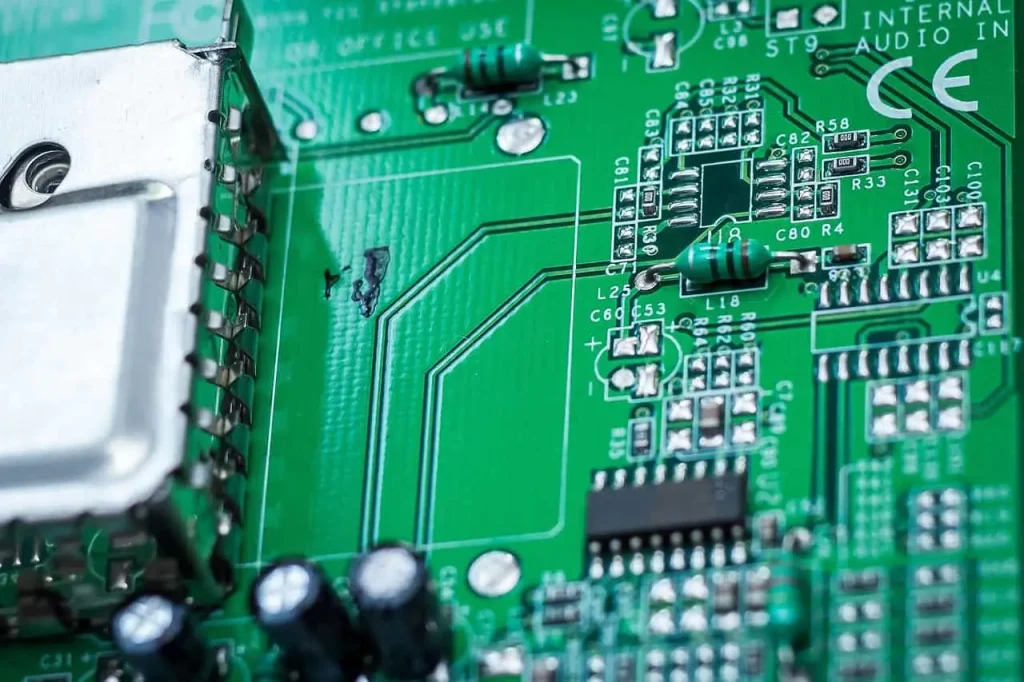

In the electronics manufacturing industry, PCB soldering is one of the most critical steps in the entire production process, as it directly determines circuit reliability and overall product performance. However, many people often wonder: does PCB soldering belong to SMT or THT? In fact, there is no single absolute answer, because PCB soldering can involve different processes depending on component structure and product design. Understanding the differences between SMT and THT helps clarify the core processes of modern electronic manufacturing.
Basic Differences Between SMT and THT Processes
Before determining which process PCB soldering belongs to, it is necessary to understand their fundamental concepts and applications:
- SMT (Surface Mount Technology) places components directly on the PCB surface
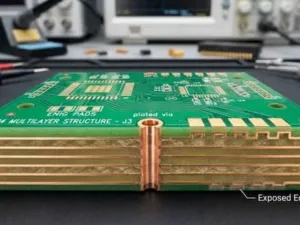
- THT (Through-Hole Technology) inserts component leads into PCB holes for soldering
- SMT is suitable for high-density, miniaturized electronic products
- THT is better for components requiring higher mechanical strength
SMT and THT are not opposing technologies but two process routes selected based on different product requirements.
PCB Soldering in SMT Applications
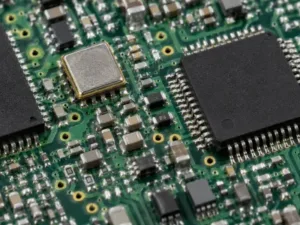
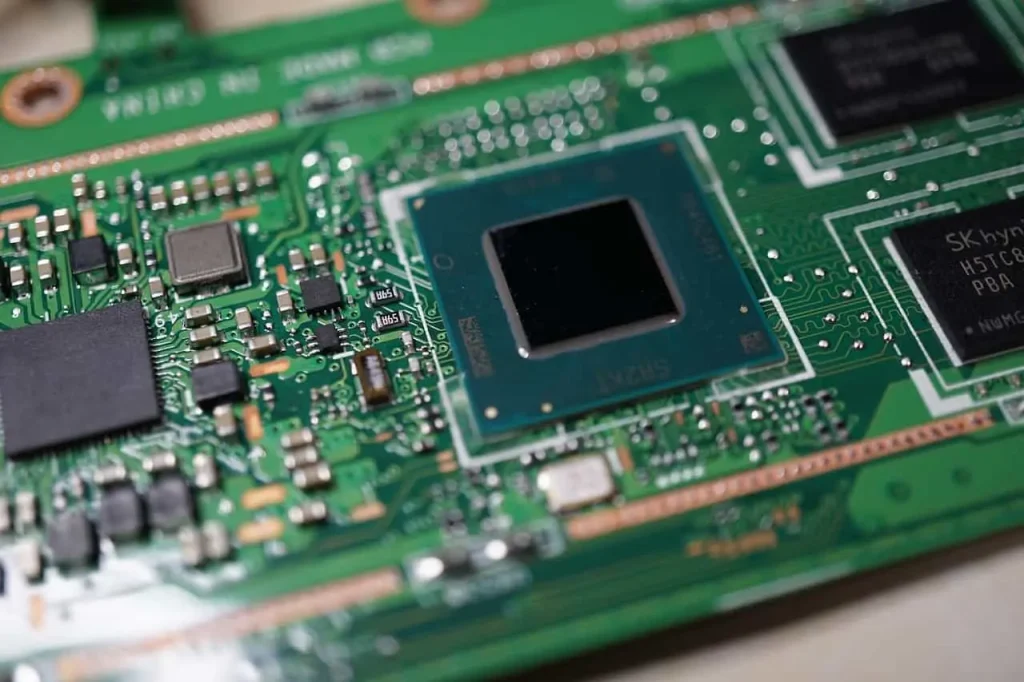
In modern electronics, most PCB soldering processes are closely related to SMT, with the following characteristics:
- Uses solder paste and reflow soldering
- Components are mounted directly on PCB pads
- Highly automated, suitable for mass production
- Small solder joints for high-density circuit designs
- Widely used in consumer electronics such as phones and computers
SMT has become the mainstream PCB soldering method in most manufacturing scenarios.
PCB Soldering in THT Applications
Although SMT dominates, THT remains irreplaceable in certain applications, with key characteristics including:
- Component leads pass through PCB holes for soldering
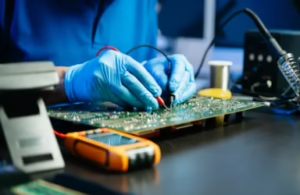
- Typically uses wave soldering or manual soldering
- Provides higher mechanical strength and vibration resistance
- Suitable for power modules and high-power components
- Common in industrial equipment and automotive electronics
THT is more focused on structural reliability rather than miniaturization.
Hybrid PCB Soldering Trend
In real-world production, more products now use a combination of SMT and THT to meet different functional requirements:
- SMT is used in core board areas for higher integration
- THT is used for connectors or power components for better reliability
- Both processes can coexist on the same PCB
- Selective wave soldering enables mixed-process production
- Balances performance, reliability, and structural strength
This hybrid approach has become the mainstream solution for mid-to-high-end electronic products.
PCB soldering can belong to either SMT or THT, and in modern manufacturing, both are often used together. SMT focuses on high density and automation, while THT emphasizes mechanical strength and reliability. As electronic products continue to evolve toward miniaturization and higher performance, SMT usage keeps increasing, but THT still plays a vital role in key structural areas. For manufacturers, understanding and properly combining both processes is essential to achieving the best balance between performance, cost, and reliability, ultimately enhancing overall product competitiveness.