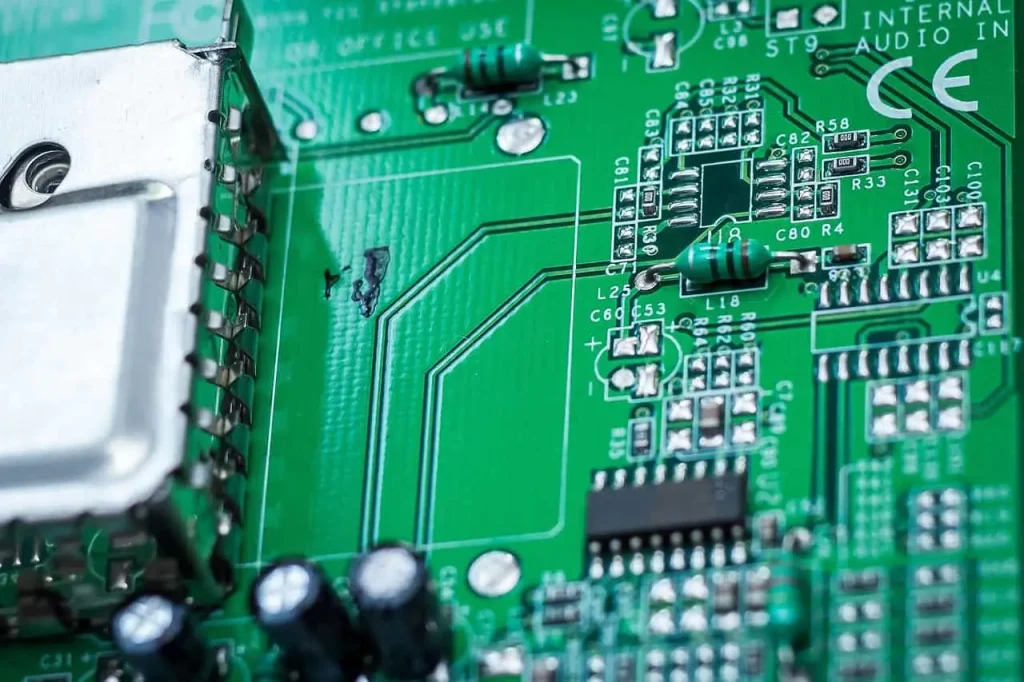

In electronics manufacturing, PCB (printed circuit board) cleaning is widely recognized as an important step affecting product quality, but it is also often considered a cost-increasing process. Many companies focus on the upfront expenses of cleaning while overlooking its impact on product stability and long-term quality. In reality, PCB cleaning cost is not a simple expense issue—it is closely related to equipment selection, process level, and product reliability. From an overall production cycle perspective, its influence is far more complex than it appears on the surface.
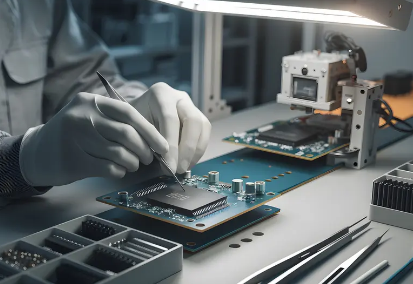
Direct Cost Components of PCB Cleaning
To evaluate PCB cleaning costs, it is necessary to break down the main sources of expenditure, as each factor affects the final cost level:
- Investment in cleaning equipment such as ultrasonic machines, spray systems, or automated cleaning lines
- Cleaning agents and consumables, including solvents, deionized water, and replacement materials
- Labor costs, especially in semi-automated or manual cleaning scenarios
- Energy consumption, such as heating, drying, and equipment operation power
- Equipment maintenance and regular servicing costs
These costs vary significantly depending on production scale and automation level.
Impact of Different Cleaning Methods on Cost
The choice of cleaning method directly affects overall cost structure, efficiency, and stability:
- Manual cleaning has low initial investment but high long-term labor costs
- Semi-automatic cleaning is suitable for medium-scale production with balanced cost efficiency
- Fully automated systems require higher upfront investment but save labor in the long run
- Water-based cleaning is environmentally friendly but requires more advanced drying systems
- Solvent-based cleaning is efficient but involves additional safety and management costs
Each option represents a trade-off between cost, efficiency, and stability.
Hidden Costs of Inadequate Cleaning
Compared to direct expenses, the hidden costs caused by poor cleaning often have a greater impact on profitability:
- Increased failure rates leading to higher repair and after-sales costs
- Batch quality issues resulting in returns or customer complaints
- Reduced production efficiency due to rework
- Loss of high-end customers and long-term orders
Once accumulated, these costs can far exceed the investment in proper cleaning.
How to Optimize PCB Cleaning Costs
With proper process and management optimization, overall cleaning costs can be effectively reduced without compromising quality:
- Set different cleaning standards based on product grade to avoid over-cleaning
- Increase automation to reduce dependence on manual labor
- Control cleaning agent usage and improve recycling efficiency
- Optimize workflow design to reduce repeated cleaning steps
- Introduce inspection systems to improve first-pass yield
- Reduce unit cost through scaled production
PCB cleaning should not be seen simply as an added cost, but rather as an upfront investment in product reliability. Focusing only on short-term savings may lead to much higher maintenance and quality risks later. As electronic products continue to demand higher reliability, the importance of cleaning processes keeps increasing. For manufacturers, treating cleaning as part of quality management rather than just an expense is often the key to achieving stable production and stronger market competitiveness.