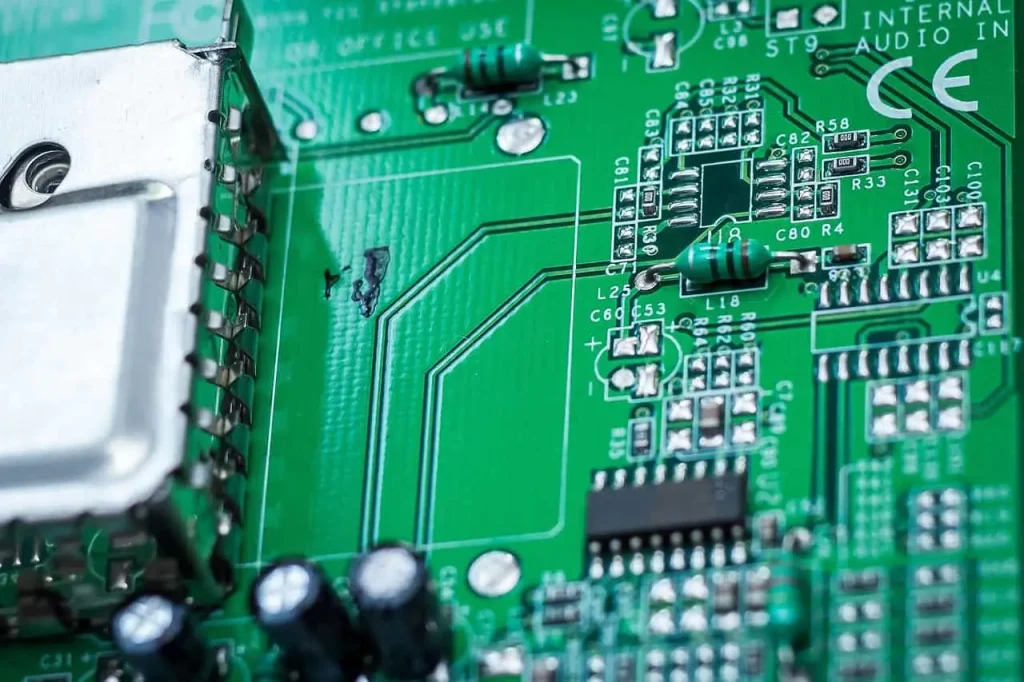

In the electronics manufacturing process, soldering is only one critical step in completing circuit connections, but it does not mark the end of the process. After soldering, PCB (printed circuit board) surfaces often retain flux residues, soldering fumes, and fine particulate contaminants. Although these substances may be invisible to the naked eye, they can gradually affect electrical performance over time and even lead to short circuits or corrosion. Especially in high-reliability electronic devices, cleaning quality directly determines product lifespan. Therefore, mastering effective PCB cleaning methods is essential for improving product quality and long-term stability.
What Contaminants Remain on PCBs After Soldering
Before cleaning, it is important to identify contamination sources, as different residues require different treatment approaches:
- Flux residues are the most common, often appearing as transparent films or white marks
- Condensed fumes generated during soldering can adhere to the board surface
- Unreacted solder paste may form tiny particles
- Oils, sweat, and fingerprints from manual handling
- Dust particles attracted by static electricity
- Hidden contaminants trapped in gaps of high-density PCBs
Common PCB Cleaning Methods After Soldering
Depending on the contamination level and application scenario, appropriate cleaning methods should be selected to ensure efficiency and effectiveness:
- Isopropyl alcohol (IPA) cleaning for light contamination
- Specialized PCB cleaning agents for removing stubborn flux residues
- Deionized water rinsing for water-soluble residues
- Ultrasonic cleaning for deep removal in tight spaces
- Automated spray cleaning systems for mass production
- Combined cleaning methods for high-precision applications
Standard PCB Cleaning Procedure
A standardized cleaning process significantly improves consistency and reduces the risk of residue:
- Pre-cleaning to remove visible particles and loose contaminants
- Even application or immersion in cleaning agents to dissolve residues
- Use of soft brushes or equipment to remove stubborn contaminants
- Thorough rinsing to eliminate chemical residues
- Drying with hot air or baking methods
- Secondary cleaning if higher cleanliness is required
Key Considerations During PCB Cleaning
Controlling details during the cleaning process helps prevent damage and secondary contamination:
- Always use high-purity solvents or deionized water
- Avoid excessive use of cleaning agents that may leave residues
- Do not use hard tools that could damage traces or components
- Maintain a clean environment to prevent recontamination
- Ensure complete drying, especially under components
- Perform cleanliness testing for high-reliability products
If a PCB is not properly cleaned after soldering, it may pass initial testing but develop issues during long-term use. Cleaning is not just a surface-level process but a crucial step in ensuring electrical performance and extending product lifespan. As electronic devices continue to evolve toward higher precision and reliability, the importance of PCB cleaning is increasing. For manufacturers, establishing standardized cleaning procedures not only reduces failure rates but also enhances product quality and customer trust, providing a strong competitive advantage in the market.