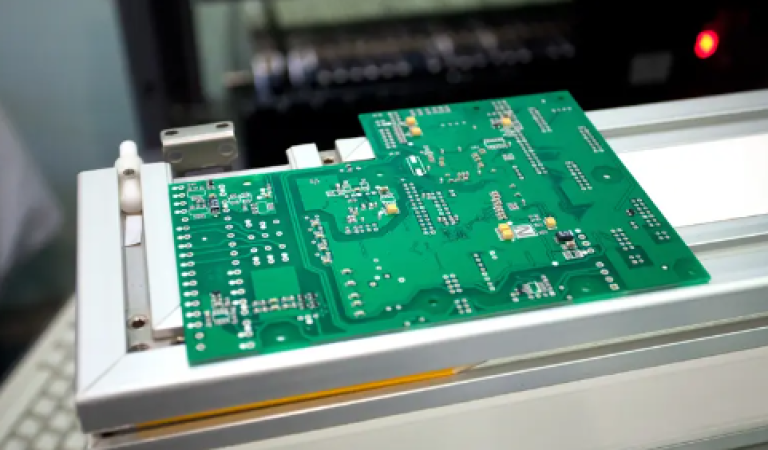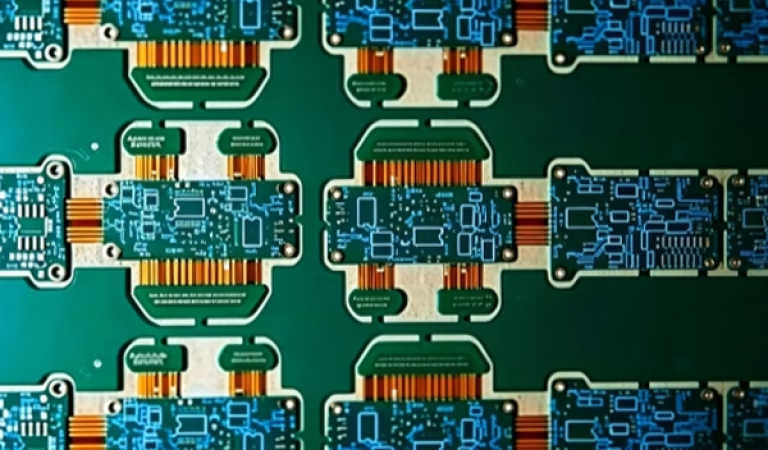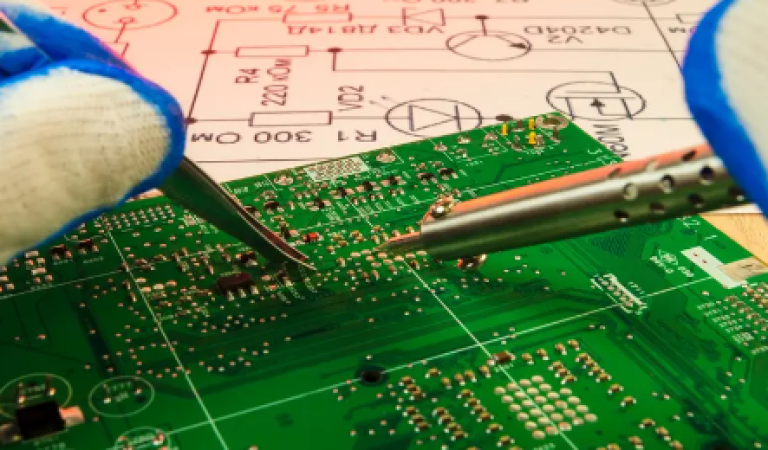

Rigid-flex PCBs are widely used in medical devices, industrial control systems, consumer electronics, automotive electronics, and aerospace equipment. They combine rigid board areas with flexible circuit sections. This makes them suitable for compact products that need stable connections and efficient use of space.
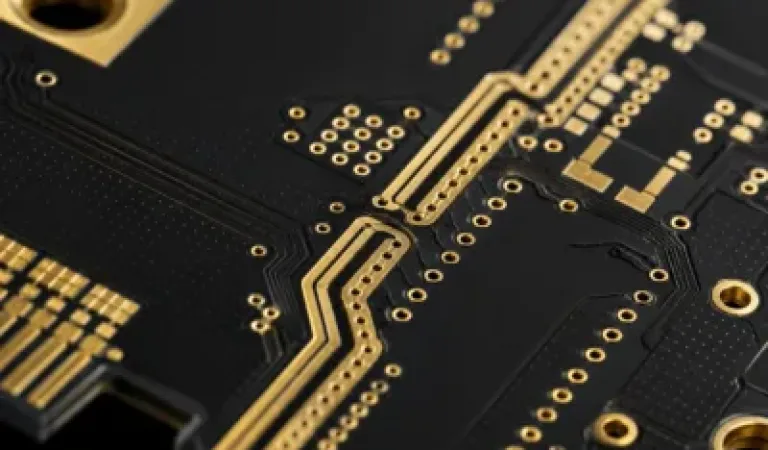
A 2 oz copper ENIG rigid-flex PCB offers higher current carrying capacity than standard copper designs. It also provides good solderability and corrosion resistance. These features make it suitable for power circuits, high-reliability electronics, and demanding operating environments.
The manufacturing process includes flexible materials, multilayer lamination, ENIG surface finishing, and precise process control. Material selection and manufacturing quality directly affect PCB performance and long-term reliability.
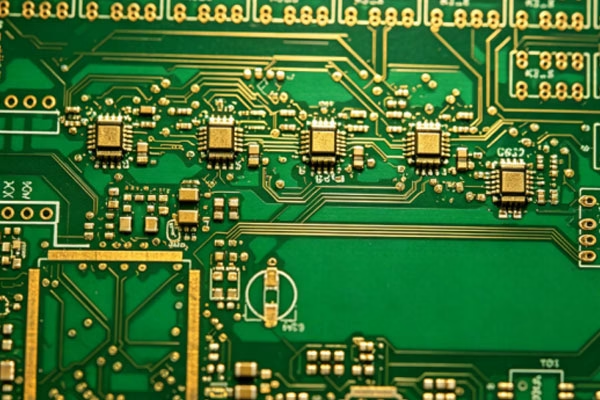
2 oz Copper Thickness ENIG Rigid-Flex PCBs Offer Significant Performance Advantages
Highly integrated electronic devices have increasingly stringent requirements for PCB stability and space utilization.
- 2 oz copper thickness enhances current carrying capacity, making it suitable for high-power and high-density electronic devices.
- The ENIG (Electroless Nickel Immersion Gold) process improves soldering stability while enhancing PCB corrosion resistance.
High current carrying capacity and stable soldering performance are key advantages of rigid-flex PCBs.
Mature Manufacturing Capability Meets Complex Structural Requirements
Rigid-flex PCB manufacturing is challenging and demands tighter process control.
- High-precision lamination and etching processes effectively ensure the stability of rigid-flex transition zones.
- Customization of different layer counts, special structures, and impedance control solutions is supported to meet various project requirements.
Stable manufacturing processes help improve the long-term operational reliability of PCBs.
Common Issues Mainly Focus on Reliability and Flex Area Stability
During the procurement phase, many projects pay special attention to the long-term performance of rigid-flex PCBs.
- The flex area requires controlled bending life to avoid cracking after prolonged use.
- The ENIG surface finish improves pad stability, reducing oxidation and soldering defect risks.
Structural stability and processing accuracy directly affect the overall service life of PCBs.
2 oz Copper Thickness ENIG Rigid-Flex PCBs Offer Multiple Core Characteristics
Rigid-flex PCBs are continuously evolving toward higher performance and more complex structures.
- They can be used in medical equipment, industrial control, automotive electronics, aerospace equipment, and other fields.
- Various design options are supported, including multilayer structures, fine pitch circuits, and high-density assembly.
Flexible structural design enables rigid-flex PCBs to adapt to different types of electronic projects.
Comparison Table of Key Characteristics of 2 oz Copper Thickness ENIG Rigid-Flex PCBs
| Technical Dimension | Performance of 2 oz ENIG Rigid-Flex PCB | Key Focus | Core Advantage |
| Copper Thickness Specification | 2 oz copper thickness | Current carrying capacity | High current-carrying performance |
| Surface Finish | ENIG (Electroless Nickel Immersion Gold) | Soldering stability | Strong oxidation resistance |
| Structure Type | Rigid-flex construction | Bending reliability | High space utilization |
| Manufacturing Process | High-precision lamination and etching | Flex area stability | Improved reliability |
| Custom Capability | Supports multilayer and impedance control | Project adaptability | Flexible structure |
| Application Areas | Medical, industrial, automotive electronics | Long-term operational stability | Meets complex operating requirements |
2 oz copper ENIG rigid-flex PCBs are suitable for compact electronic products that require stable connections, higher current capacity, and long-term reliability. They are commonly used in medical equipment, industrial control systems, automotive electronics, and high-end electronic devices.
For these applications, material selection, stack-up design, lamination quality, and ENIG surface finishing all affect the final PCB performance. A reliable manufacturing process helps ensure stable operation in complex structures and demanding working environments.
For custom 2 oz copper ENIG rigid-flex PCB support, please contact us at sales@toplinecircuit.com.