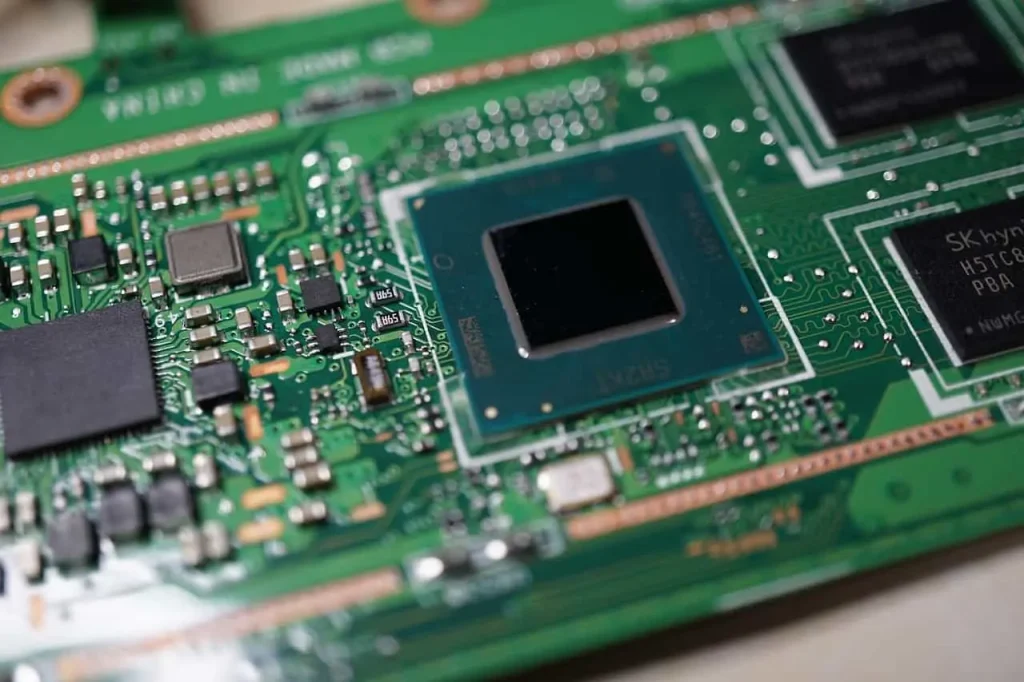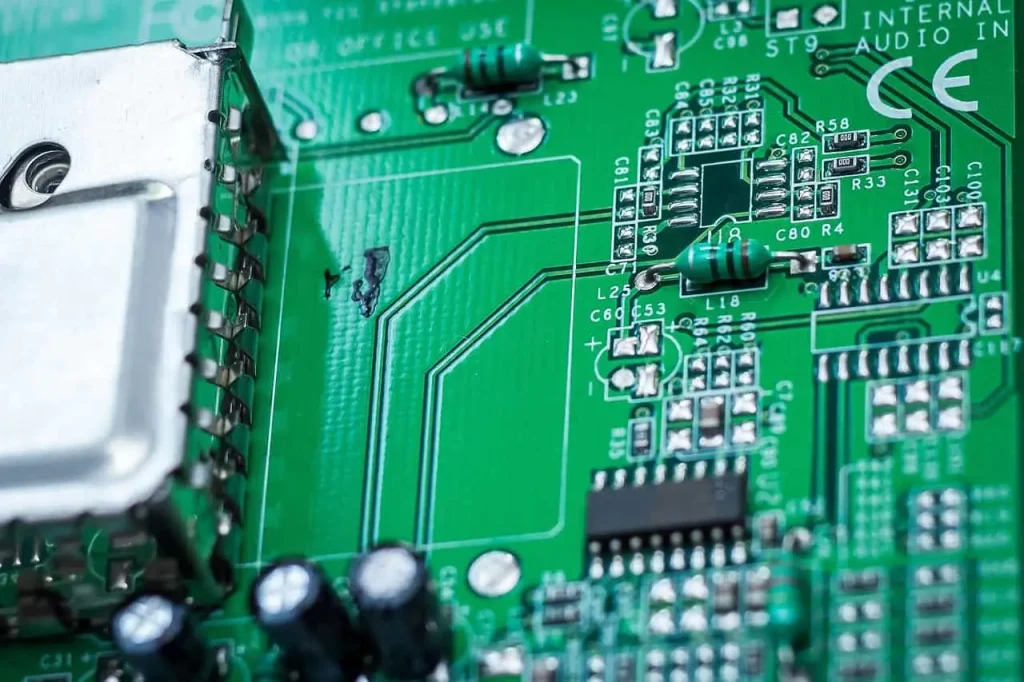

In the electronics manufacturing industry, printed circuit boards (PCBs) are used in almost all electronic devices, from consumer electronics to industrial control systems. However, one critical process is often overlooked—cleaning. During soldering and assembly, PCBs inevitably accumulate invisible contaminants. If these residues are not removed, they can significantly affect circuit performance and product lifespan. Therefore, PCB cleaning is not just a manufacturing step, but a key process to ensure stable and reliable electronic operation.
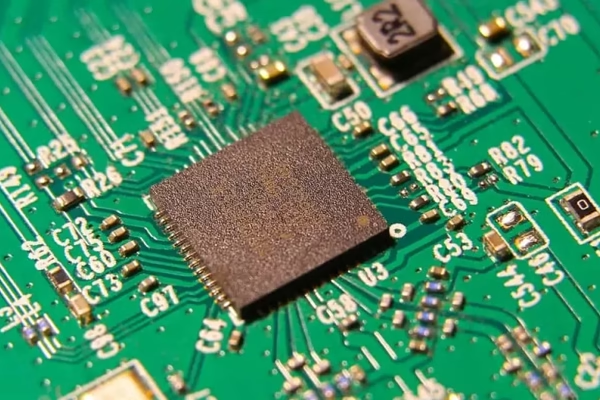
Why PCB Residues Must Be Removed
During production, various chemical and physical contaminants remain on the PCB surface, which can seriously affect performance.
These mainly include:
- Flux residues from soldering processes
- Solder paste residues from SMT assembly
- Dust, fingerprints, and environmental particles
- Ionic contaminants such as chloride and bromide ions
If not removed, these residues may react in humid or high-temperature environments, leading to corrosion or leakage risks.
The Key Role of Cleaning in PCB Reliability
Cleaning directly determines the long-term stability and reliability of a PCB.
From a performance perspective, it provides:
- Improved insulation and reduced short-circuit risk
- Lower electrochemical migration and failure rate
- Stronger solder joints and better mechanical strength
- Extended service life under harsh conditions
In high-reliability industries such as automotive electronics and medical devices, cleanliness is often a critical quality standard.
Common PCB Cleaning Processes
Different applications require different cleaning methods, so various processes are used in industry.
The most common ones include:
- Water-based cleaning: uses deionized water and cleaning agents, eco-friendly and widely used
- Solvent cleaning: dissolves flux residues using organic solvents with high efficiency
- Ultrasonic cleaning: uses high-frequency vibration to remove microscopic contaminants
- Vapor cleaning: used for high-precision electronics requiring ultra-clean surfaces
These methods are often combined to achieve optimal cleaning performance and cost balance.
Risks of Not Cleaning PCBs
If cleaning is neglected, multiple hidden failures may occur during later use.
Although these issues may not appear immediately, they can be severe:
- Surface corrosion or oxidation of circuit boards
- Leakage or short circuits in humid environments
- Increased risk of cold solder joints or detachment
- Significant reduction in product lifespan
More importantly, such failures are often difficult to detect during factory testing and may only appear after delivery, affecting brand reputation and increasing after-sales costs.
PCB cleaning is not an optional process but an essential part of electronic manufacturing quality assurance. As electronic products evolve toward higher density, miniaturization, and greater reliability, cleanliness requirements continue to increase. Whether in consumer electronics or industrial equipment, cleaning processes directly impact final performance and stability. Ignoring this step can lead to higher failure rates and increased costs. Therefore, establishing a complete PCB cleaning process is fundamental to improving product competitiveness and market trust.