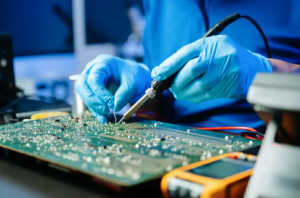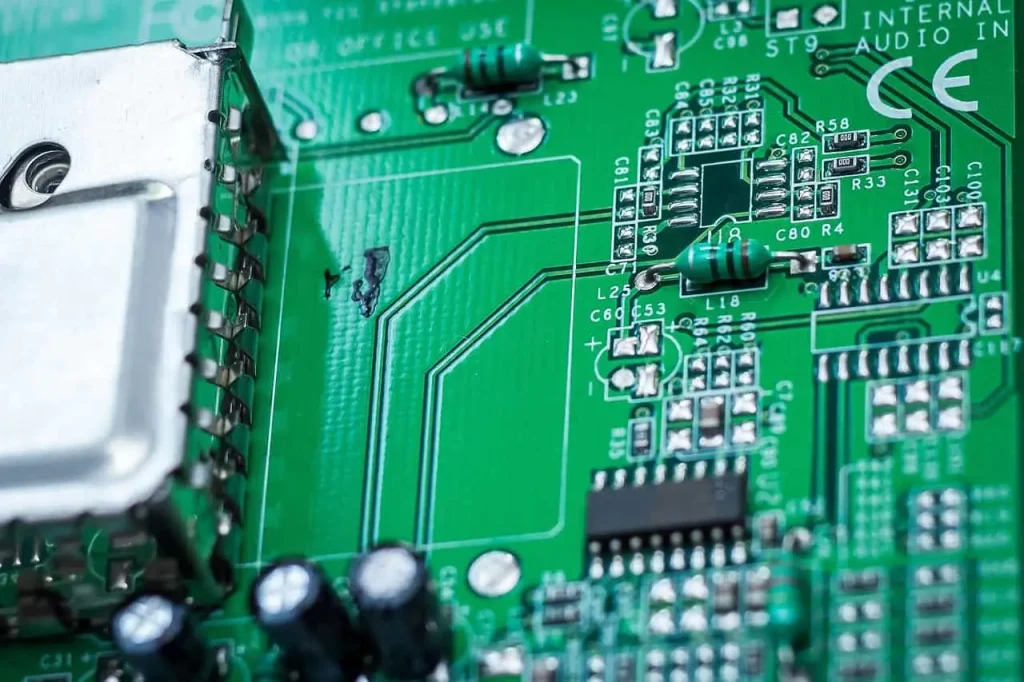

In the electronics manufacturing industry, the quality of PCB soldering directly determines the reliability and service life of the final product. As electronic devices continue to evolve toward higher density, miniaturization, and better performance, choosing the right soldering method has become increasingly important. Many people ask: which PCB soldering method is the most stable? In reality, there is no single “most stable” answer, because different processes perform differently depending on application scenarios. To truly evaluate stability, it is necessary to consider process principles, usage environments, and reliability requirements together.
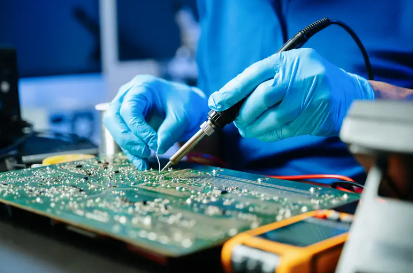
Stability Characteristics of SMT Soldering
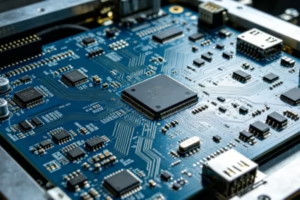
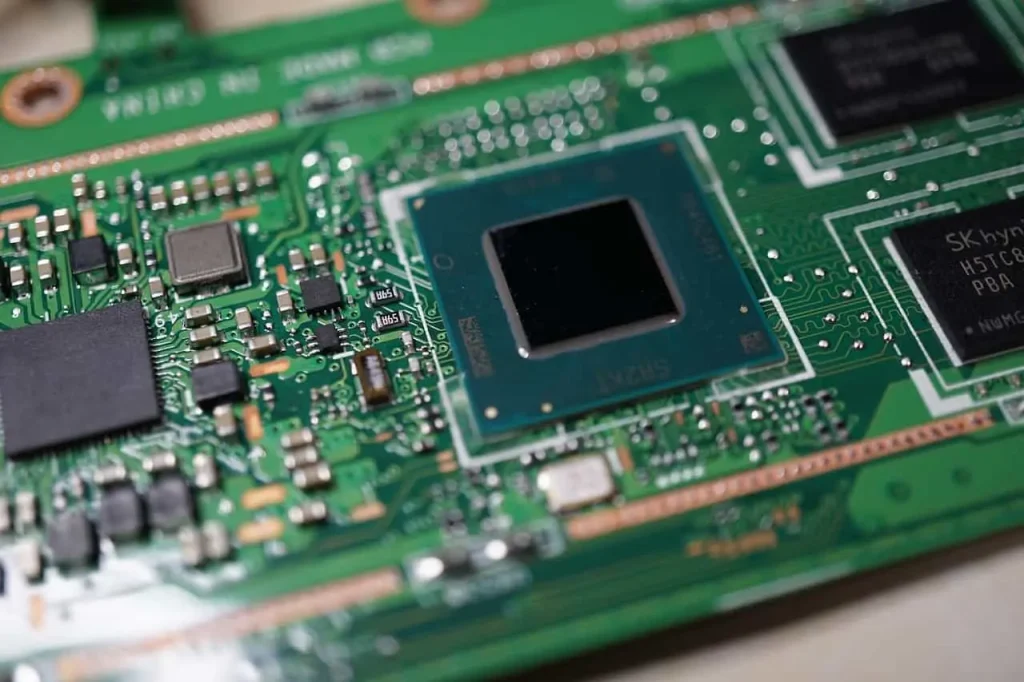
In modern electronics, SMT (Surface Mount Technology) is the most widely used soldering method, and its stability is reflected in the following aspects:
- High automation reduces human soldering errors
- Strong consistency of solder joints, suitable for mass production
- Ideal for high-density and miniaturized circuit designs
- Mature reflow soldering process ensures stable quality
Under standardized production conditions, SMT offers excellent consistency and controllability, making it the mainstream choice in consumer electronics.
Structural Stability Advantages of THT Soldering
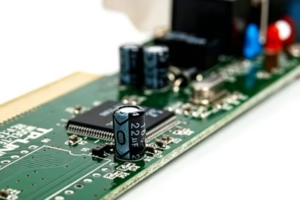
Although THT (Through-Hole Technology) is less advanced than SMT, it has clear advantages in mechanical stability:
- Leads pass through holes, creating stronger mechanical connections
- Excellent vibration resistance, suitable for harsh environments
- Larger solder joints provide higher mechanical strength
- Ideal for high-power and stress-bearing components
In industrial equipment and automotive electronics, THT is often used for critical parts to improve structural reliability.
Comprehensive Stability of Hybrid Soldering Methods
In practical manufacturing, SMT and THT are often combined to achieve a balance between performance and reliability:
- SMT is used for main circuits to improve integration and efficiency
- THT is used for connectors or power components for added strength
- Selective wave soldering enables unified production
- Combines electrical performance with mechanical reliability
This hybrid approach is widely used in mid-to-high-end electronic products and offers more balanced overall stability.
Key Factors Affecting PCB Soldering Stability
While soldering methods are important, actual stability also depends on several process and environmental factors:
- Quality of solder materials and flux selection
- Accuracy of temperature profile control
- Reasonable PCB layout design
- Cleanliness and residue control
- Environmental humidity and cleanliness
- Effectiveness of inspection and quality control systems
Even with the same soldering method, stability can vary significantly depending on process quality.
There is no universally “most stable” PCB soldering method; stability depends on application requirements and usage scenarios. SMT is ideal for high-density and large-scale production, THT excels in mechanical strength, and hybrid processes offer a balance between the two. As electronic products continue to evolve, a single soldering method is often not enough to meet all demands. For manufacturers, the key is not just choosing a process, but combining product positioning, environmental conditions, and quality control systems to improve overall soldering reliability and long-term stability.