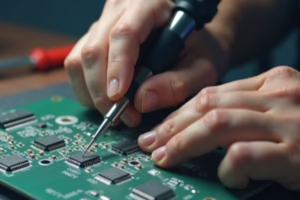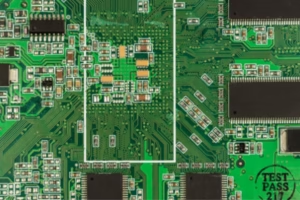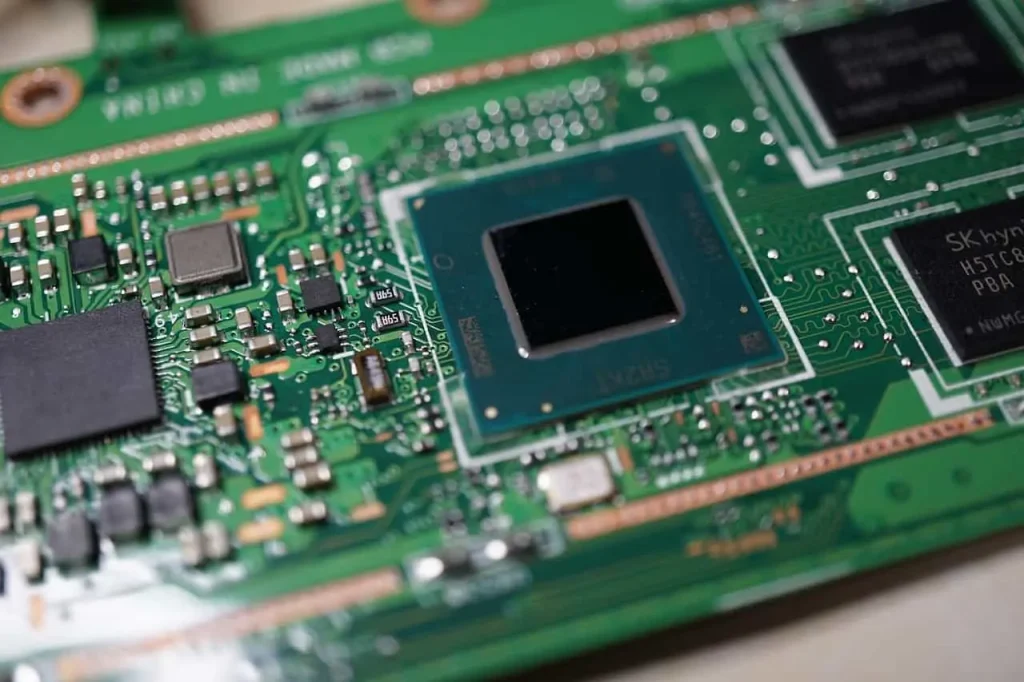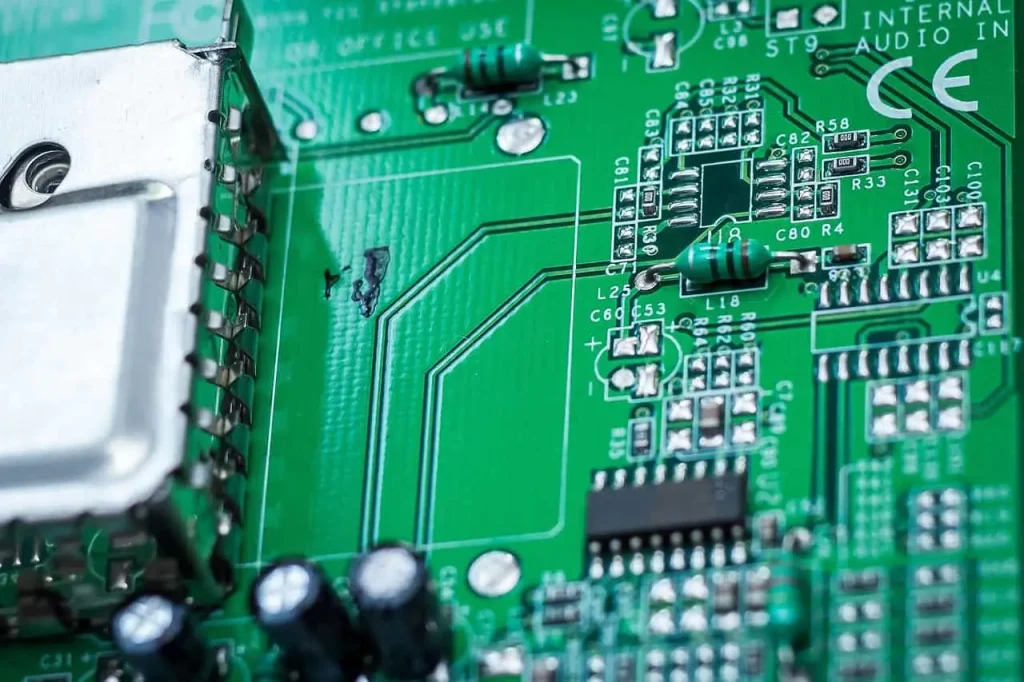

PCB circuit boards play a crucial role in the core connections and signal transmission of various electronic devices. Failures often directly affect the device’s operation and can even lead to functional malfunctions. In actual use, due to factors such as the working environment, frequency of use, and manufacturing processes, circuit boards inevitably experience various types of problems. For repair personnel, understanding common failure types helps to quickly pinpoint the problem, thereby improving processing efficiency. By systematically reviewing typical problems, more targeted testing and repair can be performed during actual operation, reducing unnecessary time consumption.
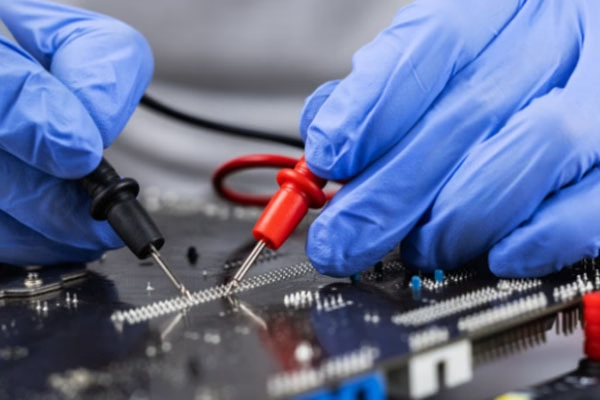
Circuit-Related Faults
Circuit problems are a common type of failure in daily use, often directly affecting current transmission.
- Open Circuit: Due to external force or aging, the wire breaks, causing the circuit to fail to conduct.
- Short Circuit: An unexpected connection between wires causes abnormal current or even burns out components.
These problems usually require the use of testing tools for troubleshooting. Timely handling can prevent further damage.
Soldering Faults
Soldering quality directly affects the stability of the connection between components and the circuit, and is one of the most common points of failure.
- Cold solder joints: Poor solder joint contact causes intermittent circuit continuity.
- Solder joint detachment: Components separate from the PCB, causing connection interruptions.
Soldering problems are often related to manufacturing processes or long-term use; ensuring soldering quality and strength is crucial.
Component failure type fault
Besides circuit and solder joint issues, component failure can also cause circuit abnormalities.
- Component burnout: Overcurrent or overvoltage damages components, preventing normal operation.
- Parameter drift: Component performance deteriorates, affecting overall circuit functionality.
These problems usually require diagnostic testing and component replacement to restore circuit function.
Common PCB board faults often focus on circuitry, soldering, and components. Different types of problems require different troubleshooting approaches. In actual repair, a clear understanding of these classifications is essential for faster fault location and appropriate action. Continuously accumulating experience and optimizing testing methods can improve overall repair efficiency, reduce the risk of misdiagnosis, and ensure more stable operation of the repaired PCB.