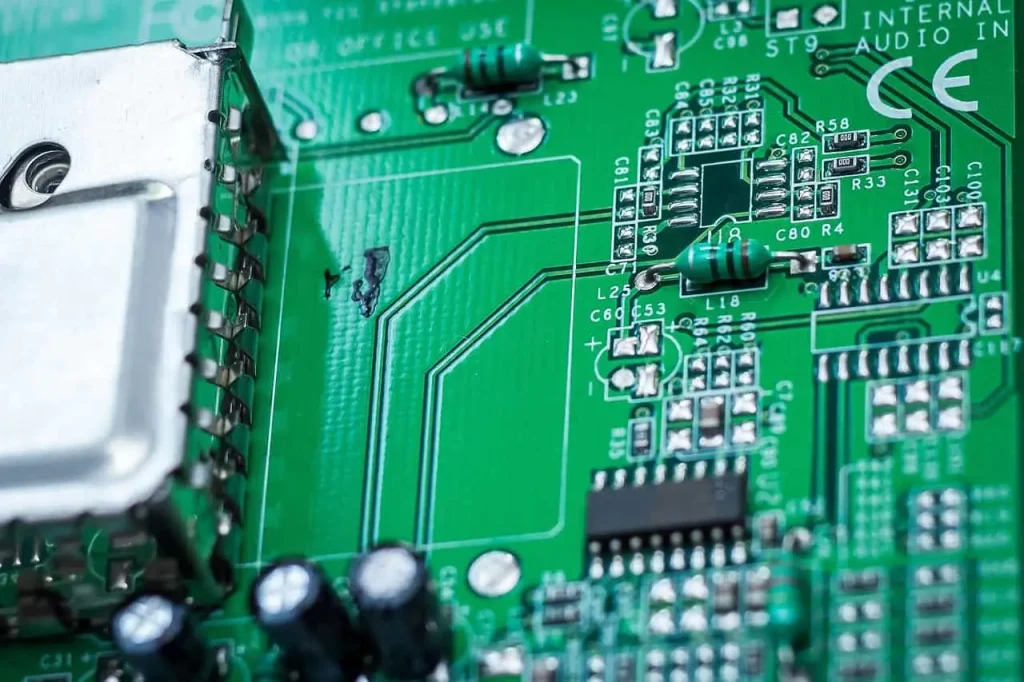

The choice of tools directly impacts operational efficiency and repair quality during PCB repair. Different fault types often require different equipment and materials. Inappropriate tool configuration can lead to misjudgment or operational errors, increasing repair difficulty. In practical applications, a comprehensive consideration of the circuit board structure, component types, and fault conditions is necessary to achieve more efficient processing. A proper combination of basic tools and specialized equipment improves workflow, reduces the risk of secondary damage to the circuit board, and makes the entire repair process more stable and reliable.
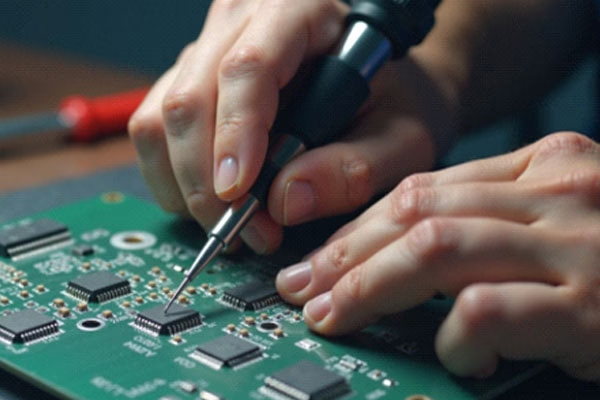
Selecting Basic Instruments Based on Testing Needs
In the early stages of repair, the accuracy of testing tools directly affects the fault diagnosis results.
- Multimeter Selection: Prioritize models with stable accuracy and a full range of functions for voltage, resistance, and continuity testing.
- Oscilloscope Configuration: Used for analyzing signal waveform changes, suitable for troubleshooting complex circuit problems.
Appropriate testing tools can help quickly pinpoint the fault area, making the repair direction clearer and improving diagnostic efficiency.
Selecting Soldering Tools Based on Operational Precision
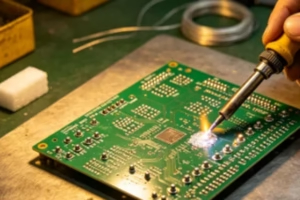
In the actual repair process, the performance of soldering tools affects the integrity of the circuit and components.
- Thermostatic soldering iron: Stable temperature control helps prevent overheating damage to circuit boards or components.
- Hot air gun: Suitable for mounting and dismounting surface-mount components, improving operational flexibility.
High-precision soldering tools reduce cold solder joints or desoldering issues, resulting in more robust repairs and improved overall repair quality.
Selecting auxiliary equipment based on protection needs
Protective measures are equally important during repair, effectively reducing the risk of additional damage.
- Anti-static tools: Such as anti-static wrist straps and pads, preventing electrostatic discharge from damaging sensitive components.
- Magnifying and lighting equipment: Enhancing the ability to observe details with a magnifying glass or microscope.
Properly configuring auxiliary equipment improves operational safety, makes the repair process more meticulous, and reduces the impact of human error.
Selecting PCB repair tools is not simply about stacking equipment, but about scientifically combining them according to actual needs. From detection to operation, and then to protection, each type of tool plays a different role. Optimizing tool configuration through continuous practice makes the repair process smoother and helps improve the ability to handle complex faults. By rationally selecting and standardizing the use of various tools, efficiency can be ensured while improving repair quality, resulting in more stable and reliable circuit board restoration.