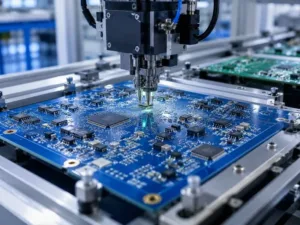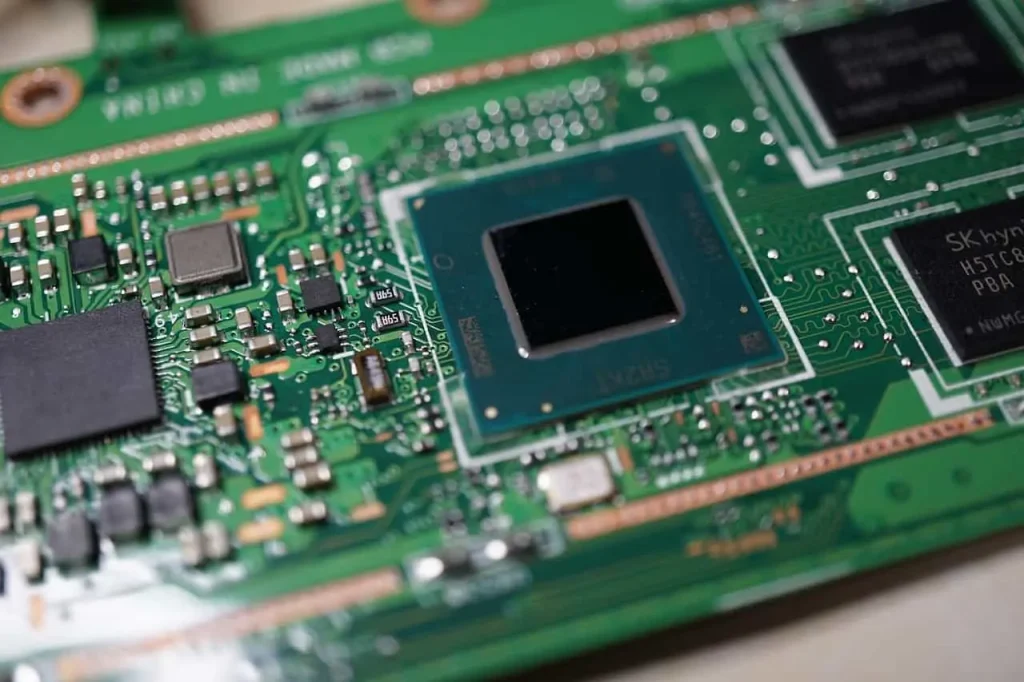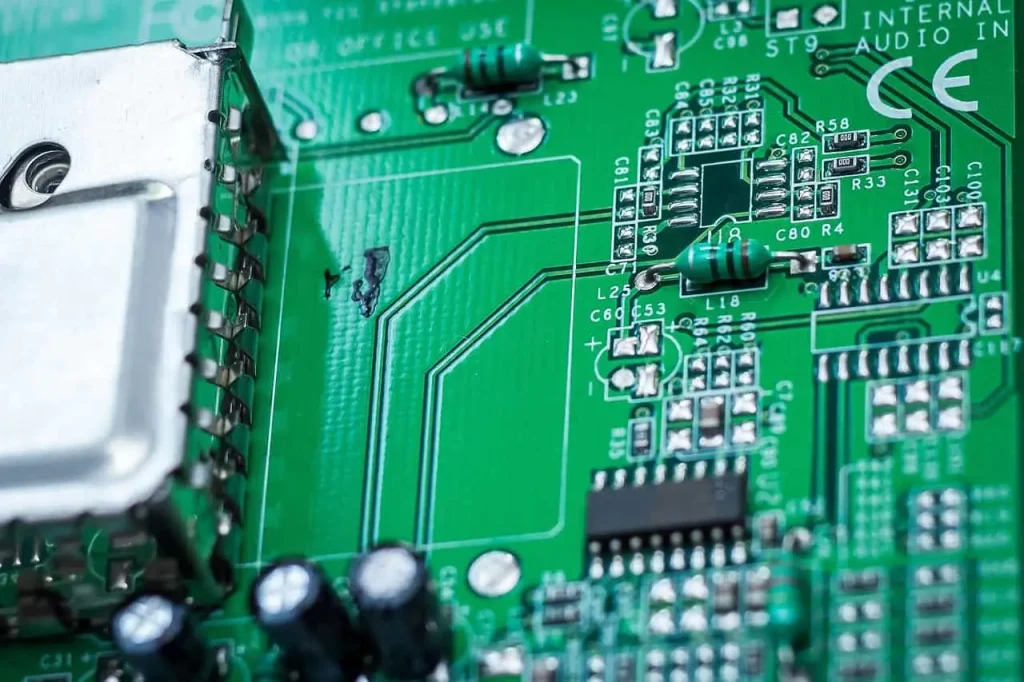

In the process of electronics manufacturing and repair, the cleaning quality of printed circuit boards (PCBs) often determines the stability and lifespan of the device. Whether on a mass production line or during post-repair processing, improper removal of surface contaminants can easily lead to hidden failures. Therefore, mastering proper PCB cleaning methods is not only a technical requirement but also a key step in ensuring reliable electronic performance.
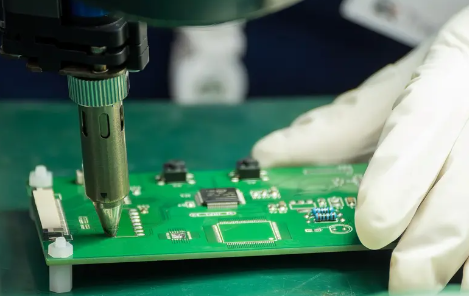
Identifying PCB Contamination Before Cleaning
Before cleaning a PCB, it is essential to accurately identify the type of contamination, as different pollutants require different cleaning approaches.
Common types include the following:
- Flux and solder paste residues from soldering
- Fingerprints and grease from manual handling
- Dust and particulate matter from the environment
- Ionic contaminants such as chloride and salts
Only by clearly understanding the contamination type can you avoid ineffective cleaning or secondary contamination caused by incorrect methods.
Common PCB Cleaning Methods and Their Applications
In practice, different cleaning methods are suitable for different production or maintenance scenarios.
The most commonly used methods include:
- Water-based cleaning: suitable for mass production and environmentally friendly processes
- Solvent cleaning: effective for removing stubborn flux residues
- Ultrasonic cleaning: ideal for complex and high-density PCBs
- Manual cleaning: used for small-scale repairs or rework
These methods are often combined to achieve higher cleaning efficiency and consistency.
Standard PCB Cleaning Procedure
Following a standardized process during cleaning helps ensure consistency and reliability.
The basic steps typically include the following:
- Pre-treatment: removing large particles and loose residues
- Cleaning stage: selecting appropriate cleaning method based on contamination type
- Rinsing stage: using deionized water or cleaning solvents for secondary cleaning
- Drying stage: removing moisture using hot air or baking equipment
Each step directly affects the final cleaning result, and any negligence may lead to residue issues.
Inspection and Quality Verification After Cleaning
After cleaning, inspection is necessary to ensure the PCB meets required standards.
Common inspection methods include:
- Visual inspection for residues or stains
- Microscopic examination of fine particle contamination
- Ionic contamination testing to evaluate cleanliness level
- Electrical performance testing for insulation and conductivity
Through multi-level verification, hidden risks such as “visually clean but internally contaminated” PCBs can be effectively avoided.
PCB cleaning is not a simple surface treatment but a critical part of electronics manufacturing quality control. From contamination identification and cleaning method selection to standardized procedures and final inspection, each step directly impacts product stability and lifespan. As electronic devices continue to evolve toward higher precision and complexity, cleaning requirements are becoming increasingly strict. Neglecting this process can lead not only to higher failure rates but also to unpredictable quality risks. Therefore, establishing a scientific and standardized PCB cleaning system is essential for improving product competitiveness and reliability.