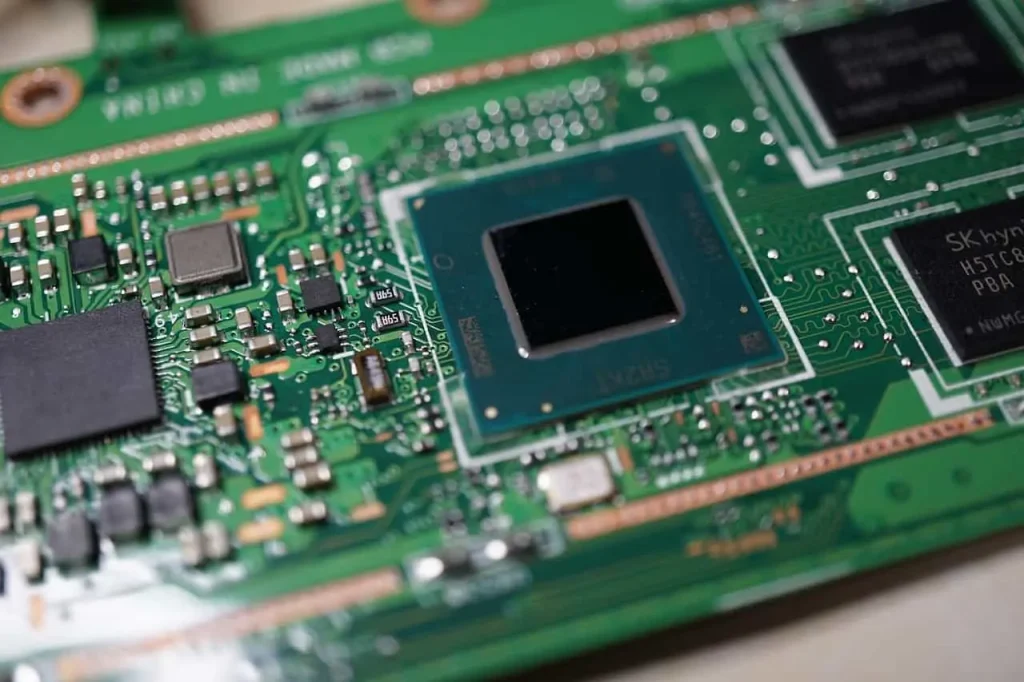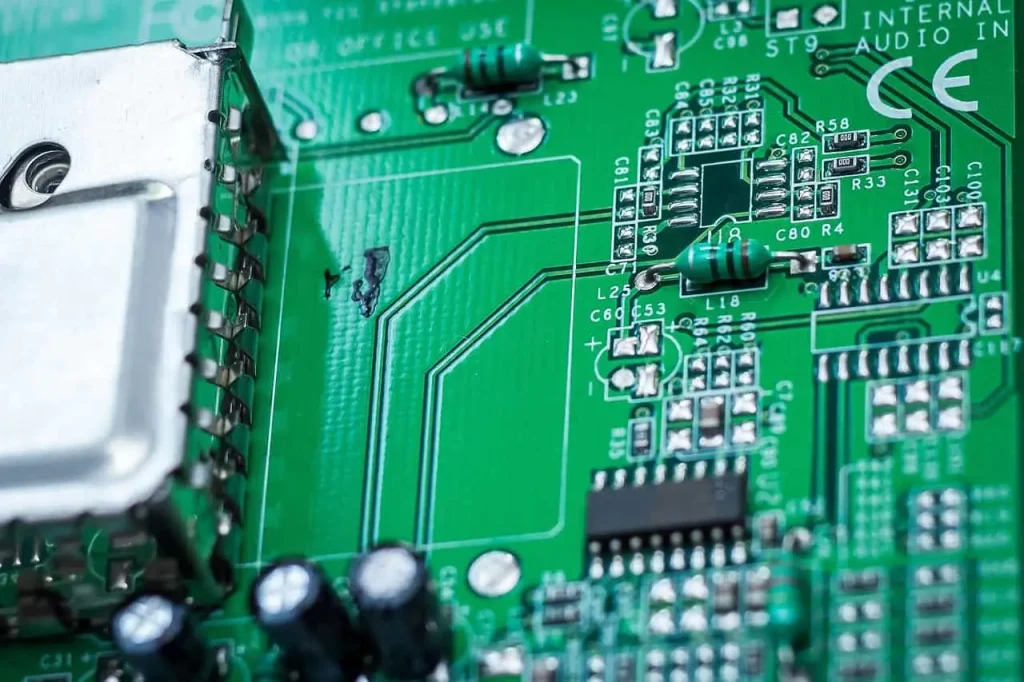

In electronics manufacturing and repair, the use of flux is almost unavoidable, as it improves solder wetting and enhances joint quality and production efficiency. However, after soldering, flux often leaves residues on the surface of printed circuit boards (PCBs). If these residues are not properly removed, they can gradually cause leakage, corrosion, or even short circuits under the influence of humidity, temperature, or electrical stress, ultimately affecting product stability. Therefore, understanding how to efficiently and thoroughly remove flux residue from PCBs has become an essential step in ensuring long-term reliability in electronic devices.
Common Types of Flux Residues
Before cleaning, it is important to identify the type of flux, since different residues directly determine the cleaning method and difficulty:
- Rosin-based flux: commonly leaves visible residues with slight stickiness
- No-clean flux: minimal visible residue but may still contain ionic contamination
- Water-soluble flux: easy to dissolve but can cause corrosion if not fully removed
- Highly active flux: more difficult to clean and more corrosive
- Mixed residues: may occur in complex manufacturing processes
Common Methods for Removing Flux
Depending on the level of contamination and application scenario, suitable cleaning methods should be selected to ensure effective removal:
- Isopropyl alcohol (IPA) or ethanol cleaning for light residues
- Specialized PCB cleaning agents for stronger and more targeted cleaning
- Ultrasonic cleaning for removing residues in tight or complex areas
- Deionized water rinsing for water-soluble flux
- Spray cleaning systems for improved efficiency in industrial production
Standard Flux Removal Process
A standardized cleaning procedure helps improve consistency and minimizes the risk of remaining contamination:
- Pre-cleaning to remove visible dirt and particles
- Applying cleaning agents evenly to affected areas
- Using soft brushes or soaking to break down residues
- Thorough rinsing to eliminate chemical remnants
- Drying with hot air or baking to remove all moisture
Key Precautions During Cleaning
Careful control during cleaning is necessary to avoid secondary contamination or damage to the PCB:
- Use high-purity solvents or deionized water to prevent new contamination
- Control the amount and concentration of cleaning agents
- Avoid using hard tools that may scratch traces or components
- Ensure complete drying to prevent moisture-related issues
- Perform post-cleaning inspection for high-precision PCBs
Although flux plays a vital role in the soldering process, its residues can become hidden risks that affect PCB performance. By correctly identifying flux types, selecting appropriate cleaning methods, and following standardized procedures, manufacturers can significantly reduce electrical failures and corrosion risks. As electronic products demand higher reliability and stability, the importance of proper cleaning continues to grow. For businesses, effective flux removal not only improves product quality but also reduces after-sales costs, ultimately enhancing competitiveness in the market.