

PCB Design Input Checklist: What to Send Before Layout Starts
Before PCB layout starts, send the schematic, verified BOM, component data, board outline, and the constraints that control placement and routing. A revision also needs
 Skip to content

Home / PCB Assembly Insights / How Component Sourcing Affects Turnkey PCB Assembly Cost
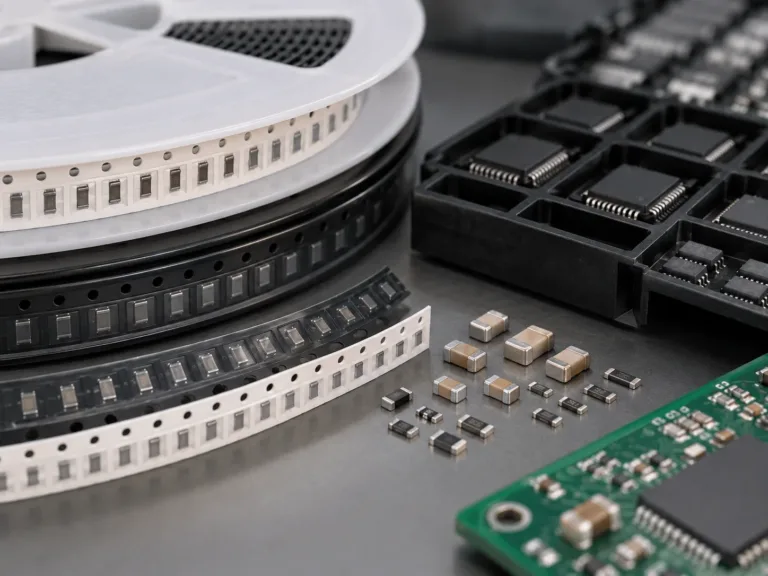
Component sourcing can account for a large part of a turnkey PCB assembly quotation. The cost depends on the exact parts, available stock, purchasing channels, packaging, order quantity, and handling requirements.
Two suppliers can receive the same BOM and return different prices. Before comparing the totals, the buyer needs to check whether both quotations cover the same components and sourcing conditions.
The sourcing team uses the BOM to identify and price each component. Every BOM line should contain enough information to separate the required part from similar products.
A useful BOM normally includes:
Descriptions such as “10k resistor” or “ceramic capacitor” are incomplete. The supplier may still need the package, tolerance, power rating, voltage rating, and approved manufacturer.
Missing information creates assumptions. One supplier may quote the exact manufacturer part number. Another may price a lower-cost alternative. The totals look comparable, but the proposed materials are different.
The BOM should also match the current pick-and-place file and assembly drawing. Reference designators, fitted parts, and product revisions must remain consistent across all files.
The price shown in a component catalogue does not always reflect the stock that can actually be purchased.
A component may be:
A missing resistor may be easy to replace. A missing processor, connector, module, or sensor can stop the entire material kit.
Buyers should identify high-risk components before the supplier starts purchasing. Expensive ICs, programmed devices, custom connectors, and parts with limited stock need early review.
When the original component is unavailable, the buyer may approve a substitute, provide the part, revise the design, or change the build quantity. The supplier should not make this decision without approval.
A low component price has limited value if the source does not meet the project requirements.
Some projects require manufacturer-authorized distributors. Others permit customer-approved suppliers or existing customer inventory. Independent sourcing may be considered when normal distribution stock is unavailable.
These options have different purchasing and inspection needs.
The buyer should state:
Without these rules, suppliers may calculate their quotations using different sources. One may use authorized distribution stock. Another may use estimated prices from an independent channel.
The quotation should identify any component whose source still needs customer approval. This allows the buyer to compare the same sourcing scope instead of comparing totals alone.
The quantity purchased from a distributor may be higher than the quantity needed for assembly.
Some components are sold by piece or cut tape. Others must be purchased in reels, trays, tubes, or fixed distributor packs. Minimum order quantities can therefore raise the material total.
The supplier may also need extra parts for:
This difference is more noticeable in prototype and low-volume orders. A project may need only a few components, while the available purchasing package contains many more.
Buyers should confirm how unused material will be handled. The remaining parts may be stored for a repeat order, shipped with the finished boards, returned when practical, or managed under another agreed arrangement.
This decision should be made before purchasing. Excess inventory is harder to resolve after the order has been placed.
An approved substitute gives the sourcing team another option when the original component is unavailable. However, a matching package does not prove that two parts are equivalent.
A substitute may need to match:
A replacement can fit the PCB footprint and still fail the product’s electrical, thermal, mechanical, or software requirements.
If an alternative has already been approved, the BOM should list it clearly. Otherwise, the supplier should send the proposed component to the buyer before purchasing.
Written approval records which component was accepted. It also connects the decision to the correct BOM and product revision.
An unapproved substitute may reduce the first quotation. It can also create test failures, redesign work, or unusable inventory later.
Standard resistors and capacitors are usually straightforward to purchase and prepare. Other components need closer control.
Examples include:
Programmed devices need controlled firmware and version information. The supplier may also need programming instructions and a verification method.
Moisture-sensitive devices require proper packaging and storage. If the original bag has been opened or the exposure history is unclear, additional preparation may be needed before assembly.
High-value parts may need tighter quantity control, traceability, storage, and incoming inspection. Customer-owned parts also need clear records for received quantities and packaging condition.
These requirements should be included in the quotation request. Adding them after the components arrive can change the original sourcing scope.
Prototype orders often have a higher component cost per assembled board. The supplier still needs to review the BOM, check stock, place orders, receive materials, inspect packaging, and prepare the production kit.
This work is spread across fewer boards. Minimum purchasing quantities can also exceed the needs of the prototype build.
Production quantities may receive better component pricing, but larger orders create more inventory exposure. A late BOM change can leave a larger quantity of unusable material.
Prototype sourcing should therefore consider future production. A temporary component may work for the first build but become difficult to purchase for repeat orders.
Before moving into production, review:
Prototype pricing should not automatically be used as the production cost baseline. The purchasing quantities, packaging, and availability may be different.
A BOM revision made after purchasing starts can affect more than the changed component line.
The original material may already have been ordered. It may be non-cancellable or non-returnable. That component then becomes unused inventory.
A replacement can also require:
The buyer should release a controlled BOM before authorizing component purchasing. Later changes should identify the affected part numbers and reference designators.
The supplier should report whether the original components have already been ordered. The buyer can then review the financial impact before approving the change.
Separate instructions sent through different messages are difficult to control. The released BOM should remain the main purchasing record.
The lowest quotation may not include the same parts, sources, handling, or inspection as another quotation.
Use these points to compare the sourcing scope:
| Check | What to confirm |
|---|---|
| BOM revision | Does the quotation use the current released BOM? |
| Exact components | Are prices based on the specified manufacturer part numbers? |
| Purchasing channels | Are the proposed sources approved? |
| Substitutes | Which alternatives still need written approval? |
| Packaging and MOQ | Are reels, trays, cut tape, and excess quantities included? |
| Special components | Are programming and handling requirements included? |
| Incoming inspection | What component checks are included? |
| Customer-supplied parts | Are these parts excluded from purchasing cost? |
| Excess inventory | How will unused components be handled? |
| Testing | Is testing included or priced separately? |
Estimated component lines should be clearly marked. An estimate can be necessary when stock or approval is still pending, but the buyer should know what remains unconfirmed.
Also check whether freight, duties, special inspection, programming, fixtures, or customer-requested documentation are included.
The useful comparison is the cost of the same materials under the same sourcing and production requirements.
Before requesting a turnkey PCB assembly quotation, remove obsolete BOM versions and duplicate component lines. Confirm that the BOM matches the pick-and-place file and assembly drawing.
Check that:
Mark the components that carry the most sourcing risk. These may be expensive, programmed, difficult to replace, or available from limited sources.
The build quantity should also be clear. Prototype, pilot, and production orders can require different purchasing decisions.
A clean BOM cannot remove normal market changes. It does make the quotation easier to verify. It also reduces assumptions, repeated questions, and unexpected material charges.
Our team can help you evaluate the board structure, materials, component assembly, and testing requirements based on your product’s operating environment and performance needs.

Before PCB layout starts, send the schematic, verified BOM, component data, board outline, and the constraints that control placement and routing. A revision also needs
Component sourcing can account for a large part of a turnkey PCB assembly quotation. The cost depends on the exact parts, available stock, purchasing channels,
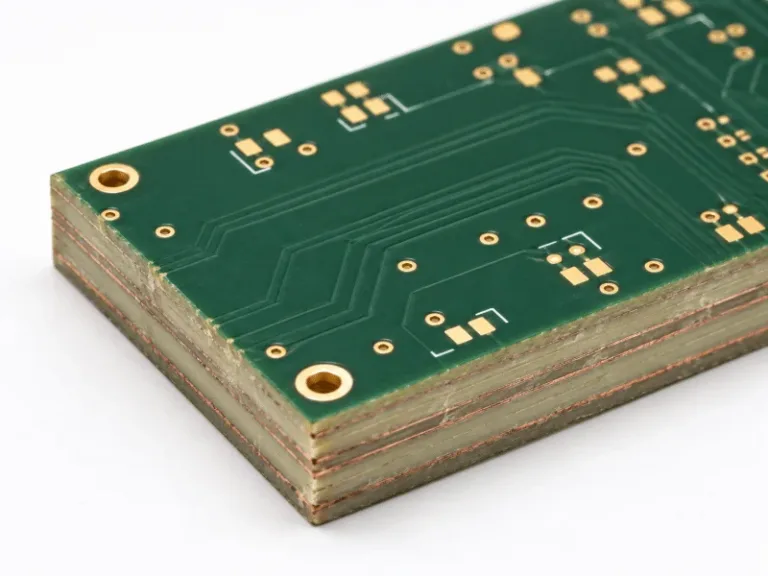
Controlled dielectric specifies the material and spacing in a PCB stack-up. Controlled impedance specifies an electrical target for selected traces. A board may need one
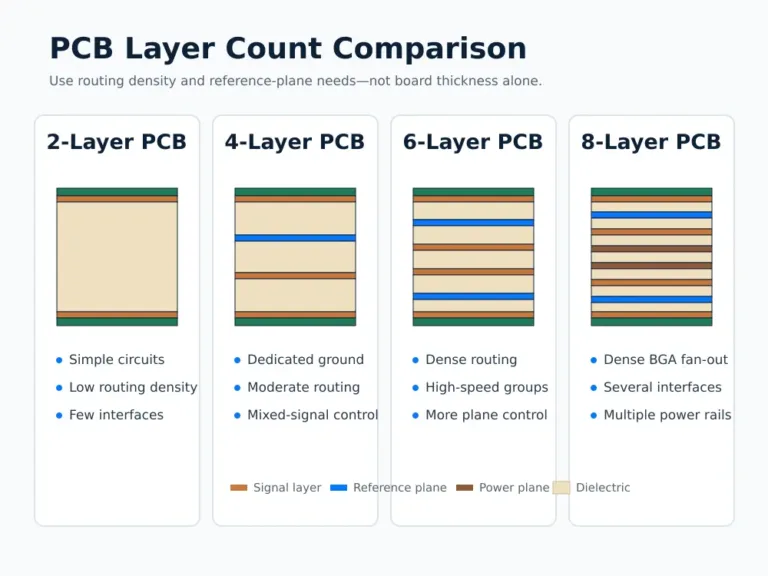
A PCB needs enough layers to route signals, provide stable reference paths, distribute power, and fit the required board size. Too few layers can force