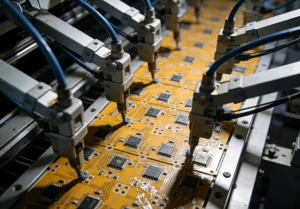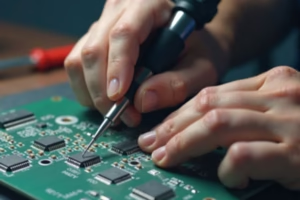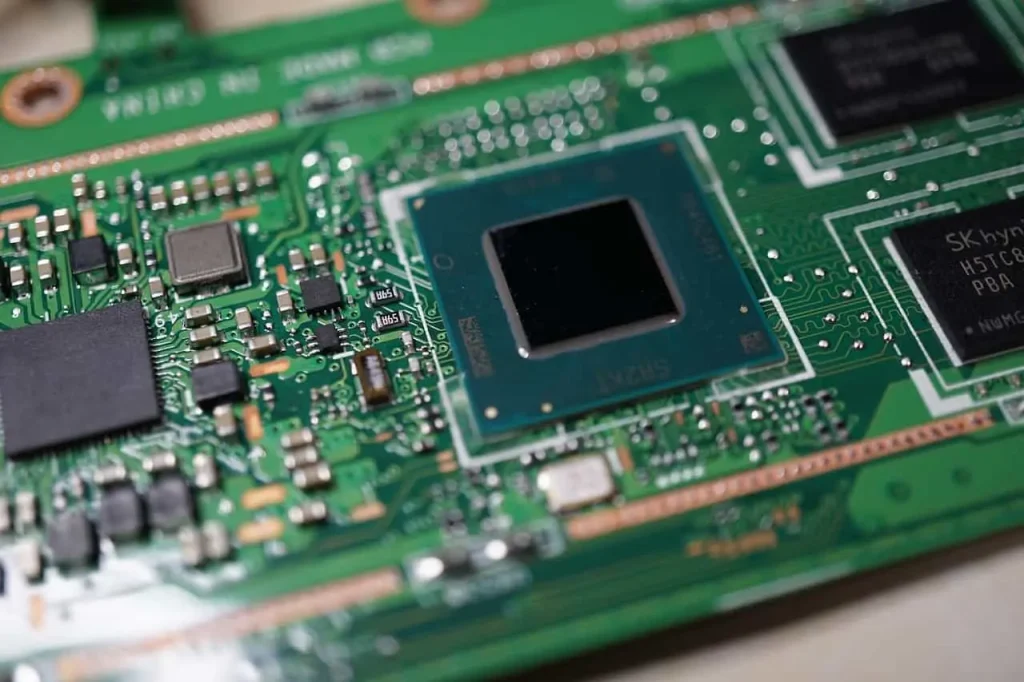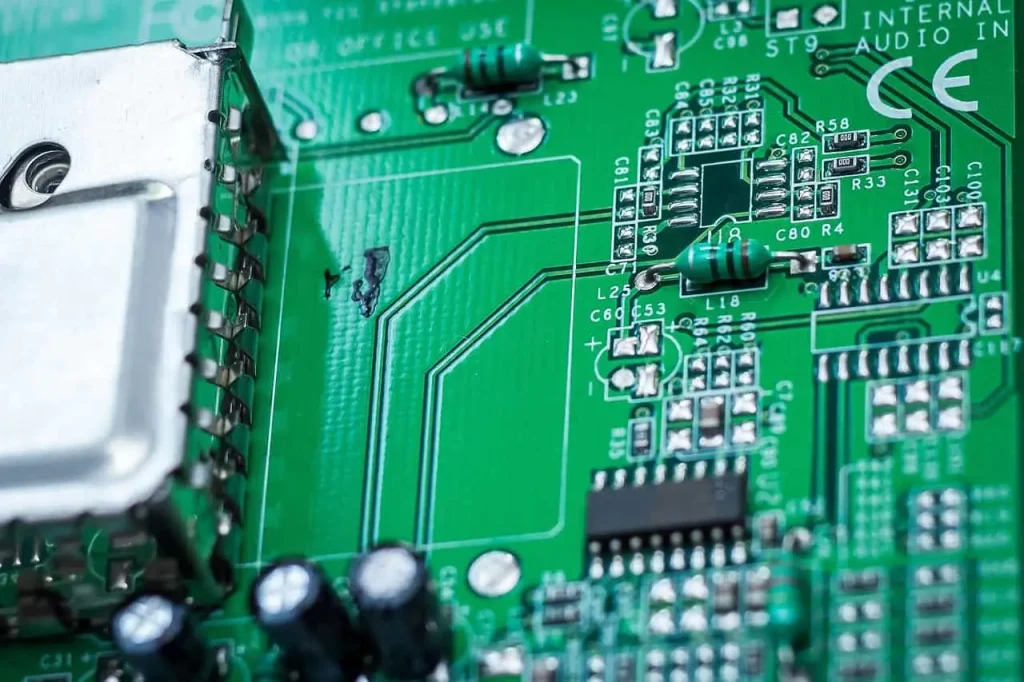

During PCB soldering, temperature control directly affects solder joint quality and component reliability. Too low a temperature can lead to incomplete solder melting, resulting in cold solder joints; too high a temperature may damage components or cause pads to detach. Appropriate temperature adjustments based on different soldering methods and material characteristics can effectively improve soldering stability and finished product quality.
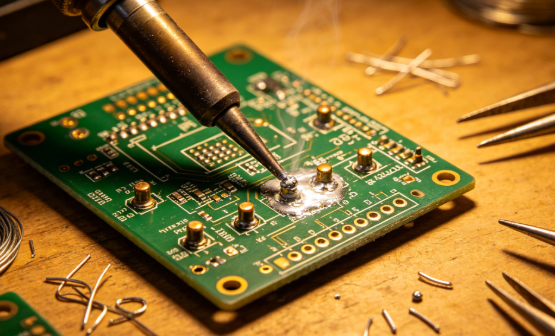
Temperature Ranges for Common Soldering Methods
Different soldering methods have different temperature requirements. Manual soldering typically uses a soldering iron, with the temperature generally controlled between 300℃ and 380℃, adjusted according to the solder type. Wave soldering and reflow soldering require more precise temperature profile control, with reflow soldering peak temperatures typically between 230℃ and 260℃. Choosing an appropriate temperature range ensures sufficient solder melting while avoiding overheating damage.
The Influence of Solder Type on Temperature
The type of solder directly affects the soldering temperature setting. Traditional lead-containing solders have a lower melting point and are suitable for lower temperature operations; lead-free solders have a higher melting point and require higher soldering temperatures to ensure good wetting. In practice, the temperature should be set according to the solder instructions to ensure a uniform and strong solder joint.
Consideration of Component Heat Resistance
Different components have different temperature tolerances. Surface mount components are generally more sensitive to high temperatures; prolonged heating may lead to performance degradation or damage. Connectors and plastic-encapsulated components are prone to deformation at high temperatures; therefore, heating time and temperature need to be controlled during soldering to avoid exceeding their heat resistance range. Properly matching temperature with component characteristics can improve overall reliability.
Practical Techniques for Soldering Temperature Control
In actual soldering, the following methods can be used to optimize temperature control:
- Preheat the circuit board: Reduce temperature difference and improve soldering stability.
- Control heating time: Avoid prolonged exposure to prevent overheating.
- Keep the solder head clean: Improve heat transfer efficiency and reduce temperature fluctuations.
- Use temperature control equipment: Precisely adjust the temperature and avoid human error.
- Observe the solder flow: Determine if the temperature has reached the ideal range.
These methods can help achieve more stable soldering results.
Common Temperature Issues and Adjustment Methods
During the soldering process, if the solder joints appear dull or incomplete, it may be due to insufficient temperature. The temperature should be increased appropriately or the heating time extended. If the solder pads peel or components are damaged, it indicates that the temperature is too high; the set value should be reduced and the heating time shortened. By observing the solder joint condition and making adjustments, a suitable temperature range can be gradually found.
PCB soldering temperature needs to be set reasonably based on the soldering method, solder type, and component characteristics. Precise temperature control and operational details can effectively improve soldering quality and make circuit connections more stable and reliable.