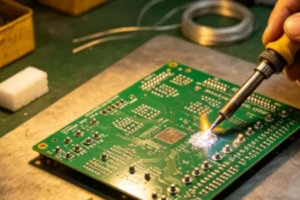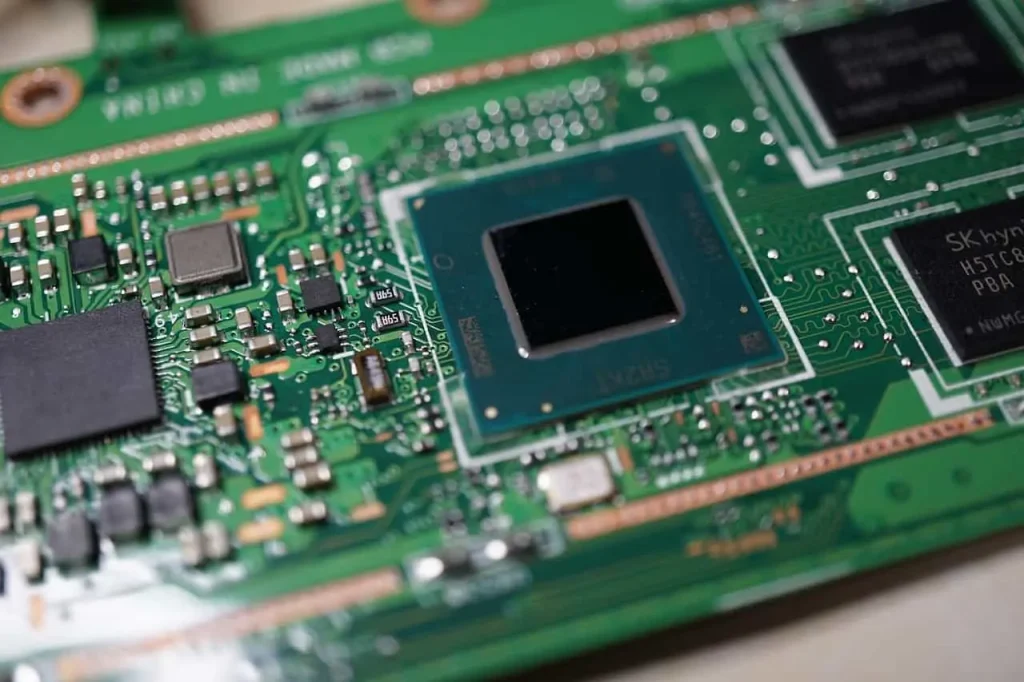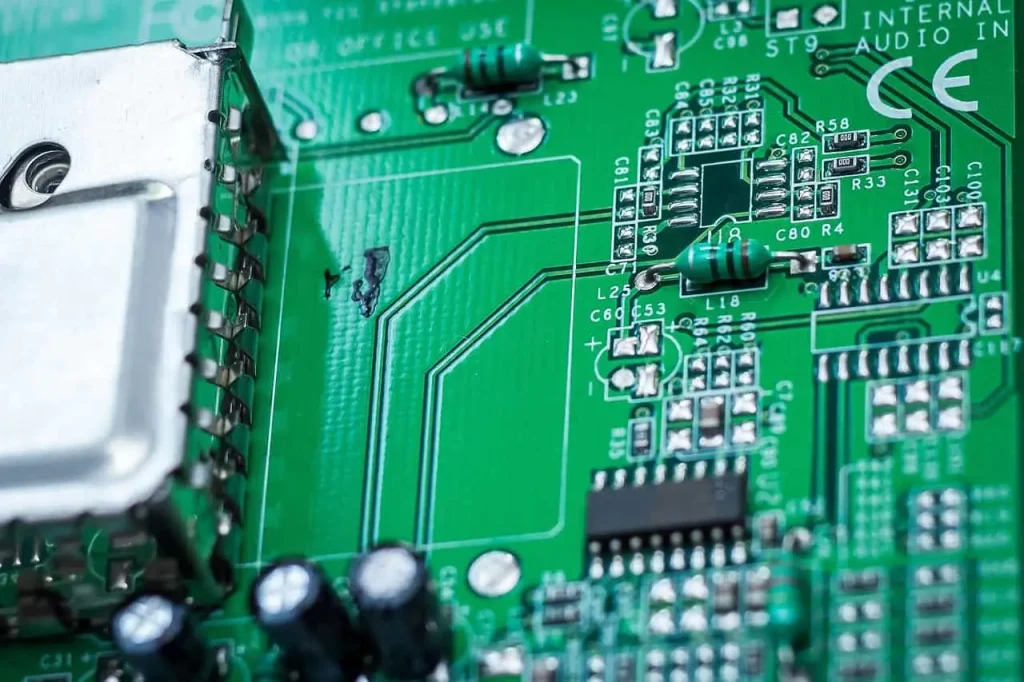

Cold solder joints and false solder joints are common problems in PCB soldering, directly affecting circuit stability and product reliability. Poor solder joint contact can lead to intermittent equipment failure or even complete malfunction. By standardizing operations and properly controlling the process, these problems can be effectively reduced, improving soldering quality.
Causes of Cold Solder Joints and False Solder Joints
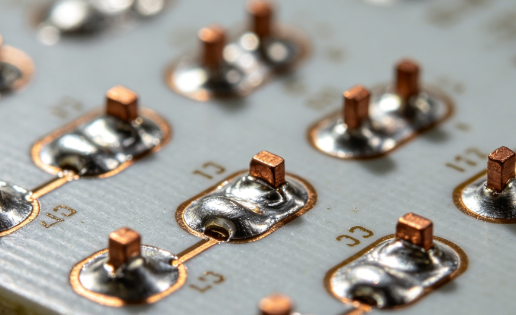
Cold solder joints typically appear as surface connections but poor internal contact, while false solder joints occur when the solder fails to effectively bond with the pads or leads. These problems are often related to improper temperature control, insufficient solder quality, or excessively short soldering time. Severe oxidation of the pads can also affect solder adhesion, resulting in weak solder joints. Understanding the causes helps in targeted improvements during operation.
Soldering Temperature and Time Control Techniques
If the soldering temperature is too low, the solder cannot melt fully, easily leading to cold solder joints; if the temperature is too high, it may damage components or cause pads to detach. Properly controlling the soldering time is equally important; too short a time will result in incomplete solder flow, while too long a time may cause overheating. Adjusting temperature and time according to the characteristics of different components can improve solder joint quality and make the connection more reliable.
Surface Treatment Methods for Solder Pads and Components
Cleaning the solder pads and component leads before soldering can effectively improve the soldering effect. Oxidation or contamination on the surface will affect the wettability of the solder, leading to a weak solder joint. Alcohol or a special cleaner can be used to ensure the surface is clean. Maintaining a good surface condition helps the solder to cover the surface evenly and form a stable connection.
Key Operational Points for Improving Soldering Quality
In actual operation, the following methods can be used to reduce the problems of cold solder joints and false solder joints:
- Use flux appropriately: Improve the fluidity and adhesion of the solder.
- Control the amount of solder: Avoid too much or too little solder, which will affect the quality of the solder joint.
- Keep the soldering tools clean: Prevent impurities from affecting the soldering effect.
- Ensure uniform heating: Ensure that the solder pads and leads are heated simultaneously.
- Observe the shape of the solder joint: Smooth solder joints with a natural arc shape are more reliable.
These operations can effectively improve the stability of soldering.
Post-Soldering Inspection and Problem Repair
After soldering, the solder joints need to be inspected. This can be done visually or with the aid of magnifying tools to assess the quality. If the solder joints are found to be dull, uneven, or cracked, they should be repaired immediately. During repair, reheating and adding solder are necessary to allow the solder joints to re-form a stable structure. Timely inspection and repair can prevent problems from escalating during subsequent use.
PCB soldering quality directly affects the reliability of electronic products. By controlling temperature, optimizing operations, and strengthening inspections, cold solder joints and poor soldering can be effectively avoided. A standardized soldering process helps improve overall product quality and makes circuit operation more stable.