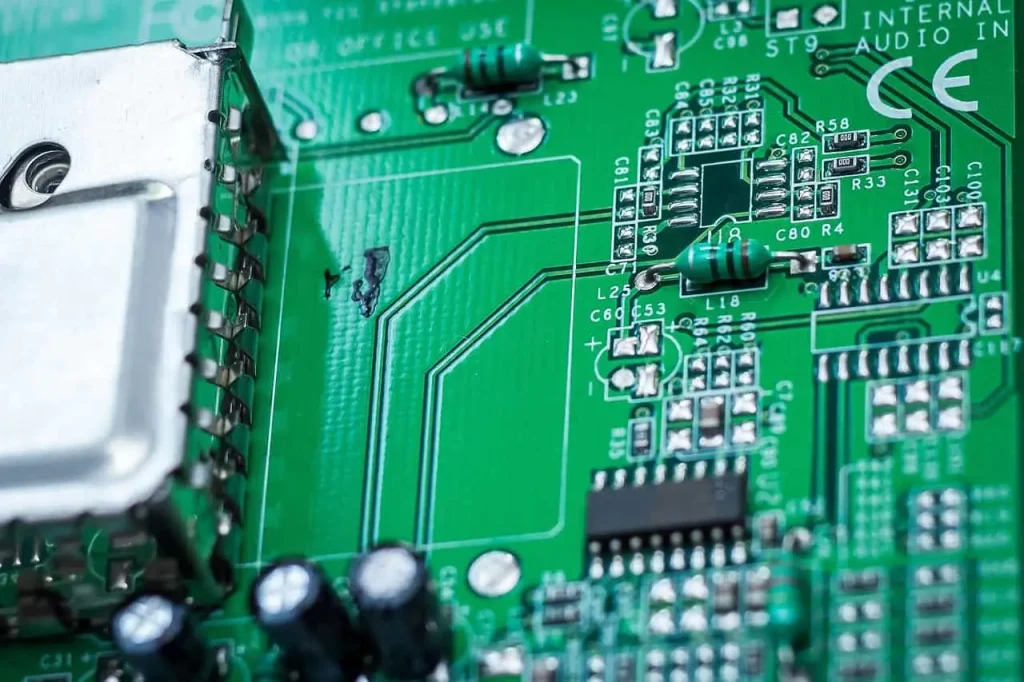

PCB circuit boards play a crucial role in electronic devices. When malfunctions occur, they often require a standardized repair process. A reasonable procedure can improve efficiency and reduce the risk of secondary damage to the circuit board. In practice, repair is not simply about disassembling or replacing components; it requires a step-by-step approach from detection and diagnosis to repair. Only by operating under the guidance of a clear procedure can the quality and stability of repairs be better guaranteed. For personnel working in related fields, mastering a systematic repair procedure helps to handle different types of faults more methodically.
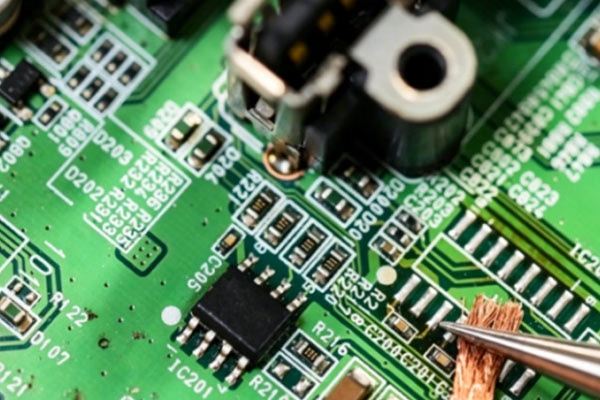
Fault Detection and Initial Diagnosis
Before starting repairs, a comprehensive inspection of the circuit board helps to clarify the direction of the problem.
- Basic Instrument Testing: Use tools such as a multimeter to test voltage, resistance, and continuity.
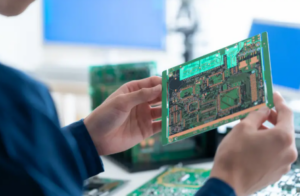
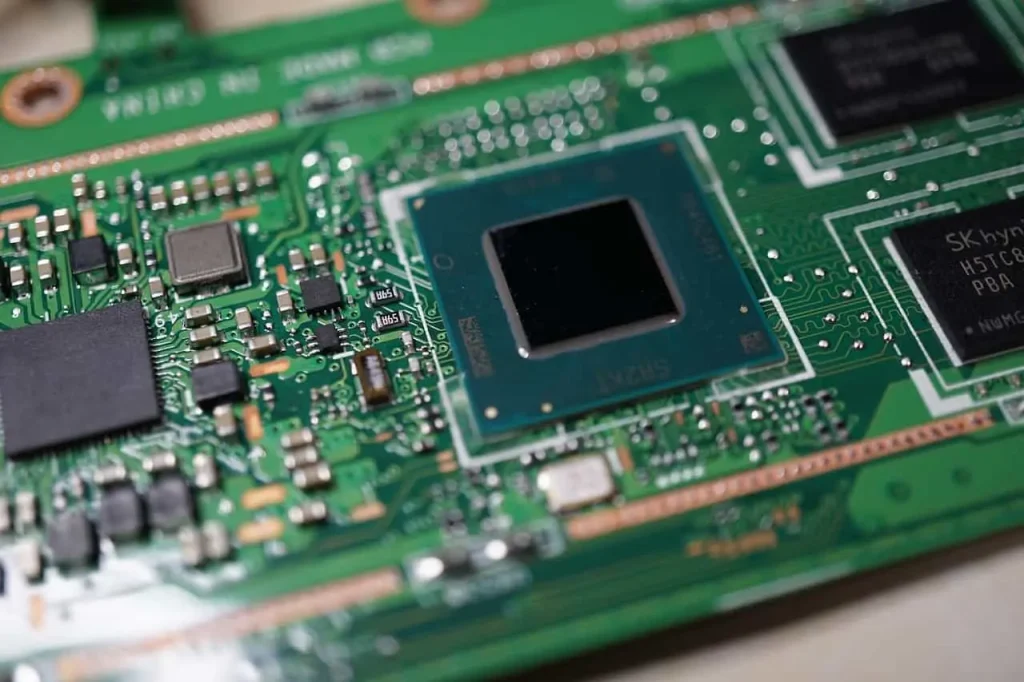
- Visual Inspection and Analysis: Observe for problems such as burning, broken wires, or abnormal solder joints.
The focus of this stage is to obtain accurate information to provide a basis for subsequent processing and to avoid the risks of blind operation.
Fault Location and Problem Confirmation
After the initial diagnosis, it is necessary to further narrow down the scope and determine the specific fault location.
- Zoned Troubleshooting Method: Test step-by-step according to functional modules to pinpoint the abnormal area.
- Signal Testing and Analysis: Test signal transmission by powering on to determine the interruption location.
Precise location improves repair focus, making the process more efficient and reducing unnecessary disassembly.
Repair and Function Restoration
After confirming the problem, proceed to the actual repair stage, selecting the appropriate method based on the fault type.
- Soldering and Component Replacement: Replace or resolder damaged components.
- Circuit Repair: Repair broken or damaged circuits by soldering or using jumper wires.
A proper repair method can restore the circuit to normal operation, improve overall stability, and reduce the possibility of recurrence.
PCB circuit board repair is a process that requires both patience and standardization; every step affects the final result. From detection to repair, each step is closely linked, and any negligence can affect the overall outcome. Optimizing processes through continuous practice and paying attention to detail can gradually improve repair capabilities, allowing for greater composure when facing complex problems. Establishing a clear step-by-step system can improve work efficiency and ensure the circuit board remains in good working condition after repair.