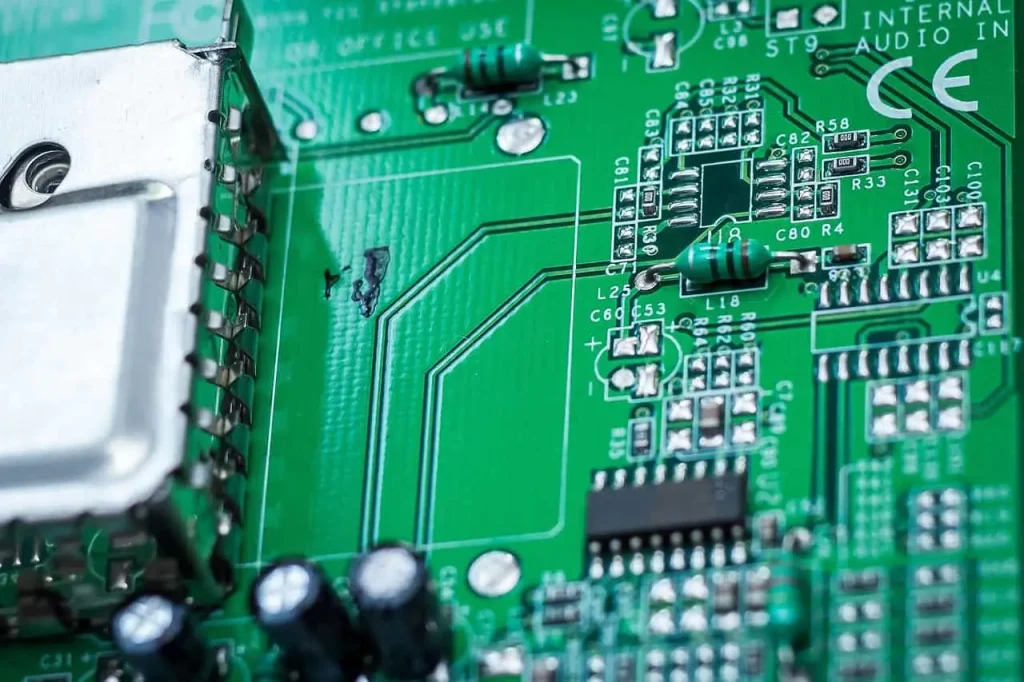

PCBs (Printed Circuit Boards) are a core component of electronic products, and their technology has evolved alongside the development of the electronics industry. From the initial single-layer boards to today’s complex High-Density Interconnect (HDI) structures, PCB technology has formed a diverse system to meet the needs of different application scenarios. Different types of PCBs differ significantly in structure, materials, manufacturing processes, and performance.
Furthermore, the requirements for PCBs vary across fields such as consumer electronics, communication equipment, automotive electronics, and medical devices. For example, some products emphasize cost and simple structure, while others pursue high-frequency performance or space compression capabilities. Therefore, the classification of PCB technologies is not merely a theoretical distinction, but a solution system closely integrated with practical applications. Companies like Topray Circuits, by integrating PCB design, manufacturing, and testing capabilities, can provide complete support for different technology types, thereby helping customers achieve efficient development and stable mass production.
Common PCB Technology Classifications
· Rigid Circuit Boards
This is the most common type of PCB, using rigid substrates (such as FR-4). It offers structural stability and lower cost, and is widely used in home appliances and industrial equipment.
· Flexible Circuit Boards (PCBs)
Using flexible materials (such as polyimide), they can be bent or folded, suitable for space-constrained devices or those requiring dynamic connections, such as mobile phones and wearable devices.
· Rigid-Flex PCBs
Combining the advantages of rigidity and flexibility, they allow for different structures on the same board, reducing connector usage and improving reliability.
· High-Density Interconnect (HDI) PCBs
Feature high wiring density, employing micro-blind vias and fine-width linewidth technology, suitable for high-performance electronic products, such as smartphones and high-end computing devices.
· Radio Frequency/Microwave PCBs
Dedicated to high-frequency signal transmission, they typically use special materials (such as PTFE) and are used in communications, radar, and other fields.
· Multilayer PCBs
Composed of multiple conductive layers, suitable for complex circuit designs, improving wiring capabilities and electrical performance.
Characteristics of Different PCB Technologies
Different PCB types have different focuses in terms of performance and application. For example, rigid boards have a simple structure and low cost, but are not as space-efficient as HDI boards; flexible boards are flexible, but have higher manufacturing costs and more stringent process requirements. Rigid-flex PCBs excel in reliability, but have higher design complexity. In high-frequency applications, standard FR-4 material may not meet the requirements, while RF PCBs achieve lower losses through special materials. In contrast, multilayer PCBs increase the number of layers to improve routing capabilities, but this also leads to higher manufacturing costs and design complexity.
Frequently Asked Questions
Q: Which type of PCB is most commonly used?
A: Rigid PCBs are the most common and suitable for most general electronic products.
Q: Why are flexible PCBs more expensive?
A: Because the materials and manufacturing processes are more complex, and higher precision is required.
Q: What is the difference between HDI boards and multilayer boards?
A: HDI is a type of high-density multilayer board with finer lines and smaller vias.
Q: Must RF PCBs use special materials?
A: Yes, high-frequency signals are very sensitive to material loss, and ordinary materials are difficult to meet the requirements.
Usage Examples
In smartphones, HDI boards and flexible circuit boards are often used simultaneously to achieve high-density layouts and flexible connections. For example, camera modules often use flexible boards to connect to the motherboard to save space. In automotive electronics, rigid-flex PCBs are widely used because they reduce connection points, improve vibration resistance, and enhance overall reliability. In communication base station equipment, RF/microwave PCBs are core components used to process high-frequency signals and ensure stable communication quality. For these complex applications, specialized manufacturers like Topray Circuits can provide customized solutions tailored to different needs, including HDI, RF boards, and high-reliability rigid boards.
Because different PCB technologies have their own advantages, there is no absolutely “best” solution, only the “most suitable” choice. Rigid PCBs are suitable for basic applications, flexible and rigid-flex PCBs are suitable for complex spatial scenarios, HDI technology meets high-density requirements, and RF PCBs focus on high-frequency performance. By appropriately combining these technology types, a balance between performance and cost can be achieved. Furthermore, with the help of companies like Topray Circuits that offer one-stop service capabilities, collaborative optimization can be achieved across design, manufacturing, and testing stages, thereby reducing development risks and increasing product success rates. Ultimately, only by fully understanding the characteristics of various PCB technologies can more scientific and efficient design decisions be made.