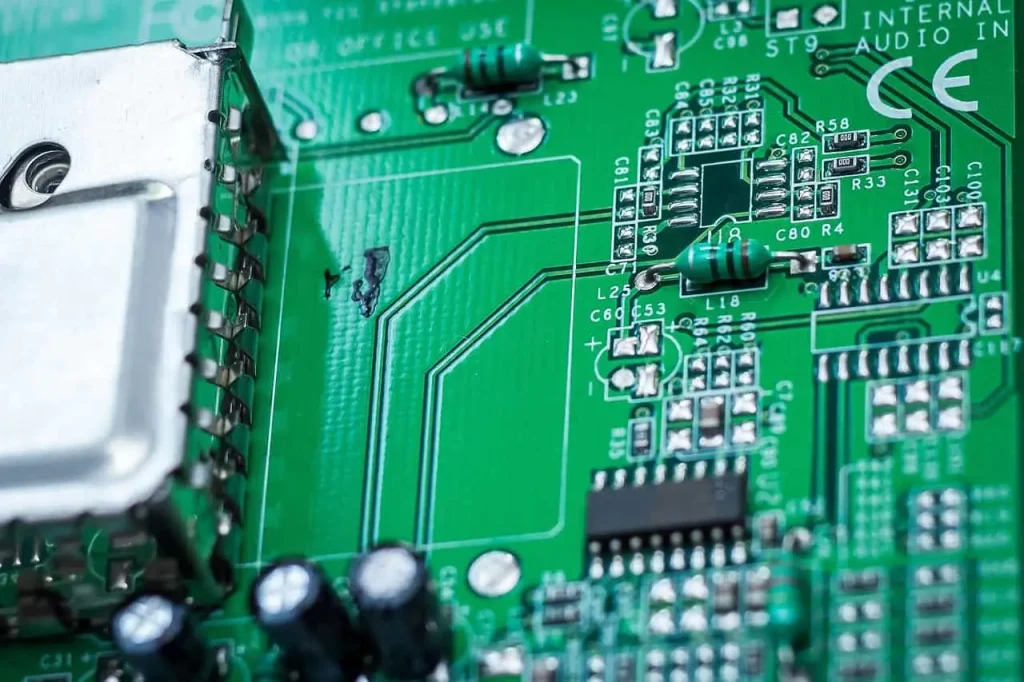

Soldering wires to a PCB board is a very common and fundamental operation in electronic manufacturing and repair. Whether it’s power connection, signal output, or connection between modules, reliable soldering between wires and the PCB is essential. Although this process seems simple, improper operation can easily lead to problems such as poor contact, cold solder joints, or even short circuits, affecting the stability and safety of the entire circuit. Soldering wires to a PCB involves heating and melting the solder to form a strong metallic connection between the wire conductor and the PCB pads. This connection must not only have good conductivity but also sufficient mechanical strength to withstand slight pulling without detaching. Professional manufacturers like Topray Circuits typically use standardized processes to ensure soldering quality, thus avoiding the instability caused by manual operation.
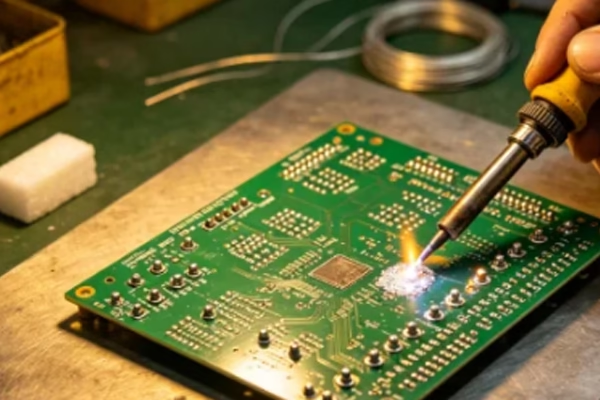
Operating Steps
· Wire Stripping
Use wire strippers to remove the insulation layer from the end of the wire, exposing an appropriate length of copper wire (generally 2-5mm).
· Wire Pre-treatment
Gently twist the exposed copper wire to prevent it from unraveling, and apply a small amount of solder for “pre-tinning”.
• Clean the pads
Ensure the PCB pads are clean and free of oxidation. Wipe with alcohol if necessary.
• Heat the pads and wires
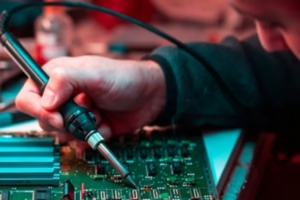
Use a soldering iron to simultaneously heat both the pads and the wires.
• Add solder
While heated, apply solder, ensuring it evenly coats the wires and pads.
• Secure and cool
After soldering, leave the area still and allow the solder joint to cool and set naturally.
Differences between different soldering methods
When soldering wires to a PCB, methods such as direct soldering, through-hole soldering, or terminal connections can be used. Direct soldering is the most common method, simple to operate, but requires high soldering quality. Through-hole soldering secures the wires through through-holes in the PCB, offering better mechanical strength and suitable for scenarios requiring a strong connection. In contrast, using terminal blocks, while not a traditional soldering method, allows for detachable connections and easier maintenance. However, it is more expensive and takes up more space.
Frequently Asked Questions
Q: What should I do if the wires easily come loose?
A: This may be due to insufficient solder or incomplete wetting. Reheat and add more solder.
Q: What does a dark solder joint indicate?
A: It may be due to cold soldering or insufficient temperature. Resoldering is recommended.
Q: Do wires need to be pre-tinned?
A: Tinning is recommended to improve soldering efficiency and quality.
Q: What is the appropriate soldering time?
A: Generally, 2-3 seconds is recommended to avoid overheating and damaging the PCB.
Example Scenarios
For example, in LED strip installation, power cables often need to be soldered to the PCB. If the soldering is not secure, it may cause the LED strip to flicker or lose power. Therefore, wires are usually pre-tinned before soldering to improve connection reliability. In DIY electronics projects, such as building audio amplifiers or power modules, wire soldering is also a critical step. Beginners without the necessary skills are prone to cold solder joints. In industrial production, for high-reliability products such as automotive electronics or communication equipment, the soldering quality requirements are even higher. In these cases, companies like Topray Circuits can provide standardized soldering processes and complete testing procedures to ensure that every connection point is stable and reliable.
Soldering wires to a PCB is a fundamental operation, but its quality directly impacts the stability and safety of the circuit. From wire stripping to solder joint formation, every step requires standardized procedures. Only by mastering the correct methods and combining them with good tools and processes can reliable connections be achieved. Choosing to collaborate with a company like Topray Circuits, which possesses complete solution capabilities, can further optimize soldering quality and production efficiency, making wire connections more stable and durable.